

Stroke Rates in Younger Americans Have Nearly Doubled Since the 90s—and Scientists Can’t Fully Explain It
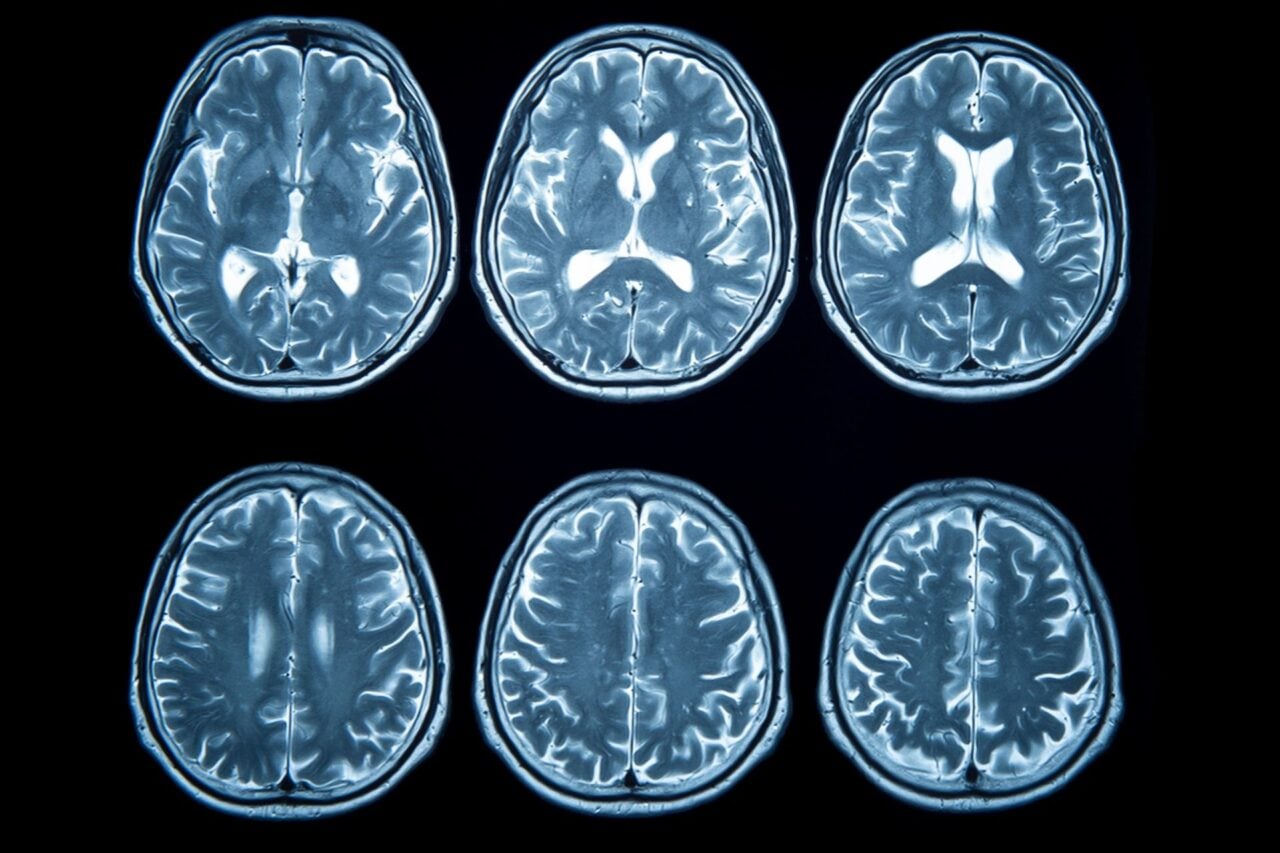
According to research published today, younger Americans are increasingly dealing with a health problem that was less common in past generations.
Scientists at the University of Cincinnati examined data from a population study of residents in the area dating back decades. Compared to the early 1990s, the stroke rate among adults under 55 has substantially risen over time, they found. More research into the factors contributing to this rise in early strokes is urgently needed, the researchers say.
“We don’t know for sure why strokes are becoming more common, and we really need to understand why if we are going to reverse this trend,” study author David Robinson, a neurologist and rehabilitation specialist at the University of Cincinnati’s College of Medicine, told Gizmodo.
A strange stroke trend
People today in the U.S. and other countries are significantly less likely to die from strokes and other cardiovascular diseases than in the past. While some of this success is due to advances in medicine, the overall incidence of strokes has also genuinely declined over time. This decline hasn’t been evenly spread, though. Numerous studies have suggested that while older adults are having strokes less often, this isn’t the case for people under 50 lately.
While research looking at death certificates has suggested that younger people are dying from strokes more often, these studies have their issues, Robinson says—namely that an increase in reported stroke-related deaths isn’t necessarily because strokes are becoming more common (perhaps it could reflect a change in how doctors are filling out death certificates, for instance).
Robinson and his team have helped to maintain a long-running project tracking the burden of stroke: the Greater Cincinnati/Northern Kentucky Stroke Study. The study first began in 1988 and covers a region with a population of 1.4 million people. This region is also nationally representative of the country as a whole in terms of age, education, income, and other demographics, the authors say.
“Our study is able to look at younger individuals with stroke in a more granular way over a very long period of time,” Robinson said.
The team looked at data spanning three decades from 1993 to 2020. Ultimately, they identified about 2,000 first-time strokes that occurred in people between the ages of 20 and 54 during the study period. They also found the stroke rate of this age group really has climbed over the past few decades.
Between 1993 and 1994, the rate was roughly 34 cases per 100,000 person-years; by 2020, it had nearly doubled to 62 cases per 100,000 person-years. Looking closer, the researchers also found that this increase was entirely fueled by a rise in ischemic strokes, which happen when clots or fatty plaques block blood flow to the brain. This is the most common form of stroke. The one silver lining is that the death rate within the first 30 days of a stroke in younger adults did decline slightly over time.
“Younger individuals are having more strokes in 2020 than they were back in 1993, despite decades of cardiovascular public health initiatives,” Robinson said. The team’s findings were published Wednesday in the journal Neurology.
Why is this happening?
The researchers did find some possible factors in the data for what might be driving this trend, but it’s unlikely that these alone explain the full picture.
“There is no doubt that several ‘traditional’ stroke risk factors are rising in younger adults, including high blood pressure and diabetes, and we saw that in our study population as well,” said Robinson. “That said, these traditional stroke risk factors are rising in older individuals as well, so other processes must be going on.”
Robinson notes that obesity and sedentary lifestyles have generally increased, for instance (at least until recently), so that could be important. On the more speculative side, the researchers found that rates of recreational drug use also substantially rose during the study period, particularly cannabis use. There is some evidence that cannabis might increase stroke risk, but it’s unclear whether “it is a strong enough independent risk factor to explain any of the rising burden we observed,” Robinson said.
Regardless of the causes, strokes in younger people are especially worrying. People who survive a stroke often experience lingering major disability, which can be particularly devastating to people who are still working or raising a family. And even if strokes are declining generally, the increase in earlier strokes can lead to more years of long-term poorer health and disability among Americans.
The study’s data only track strokes up until 2020, which is an important limitation. That said, Robinson and his team do hope to continue running future iterations of the Greater Cincinnati/Northern Kentucky Stroke Study, which will help monitor whether this trend is slowing down or plateauing. But the best approach to figuring out the drivers of early strokes will involve cohort studies, Robinson said, “where we examine patients, ask about their health behaviors, and then follow them for many years to see who develops a stroke.” One such ongoing project, the REGARD study, is already planning to enroll younger generations for the next phase of research, and Robinson hopes other similar studies are in the works elsewhere.
“It will be important to not just look at the traditional stroke risk factors with these new cohorts but also explore the role of marijuana use and vaping, which are much more common now than 20 years ago,” he added.