
California’s pension crisis is a political machine’s retirement plan
A retired California government employee collected nearly half a million dollars in pension payments last year. The system paying him is $153 billion short of the assets needed to cover its promises.
He gets his check. The politicians who helped build this mess move on. You get stuck making the numbers work.
The California Post found more than 63,000 CalPERS retirees receiving six-figure annual pensions.
But the bigger scandal is how California’s political leadership made these promises and left taxpayers responsible for keeping them.
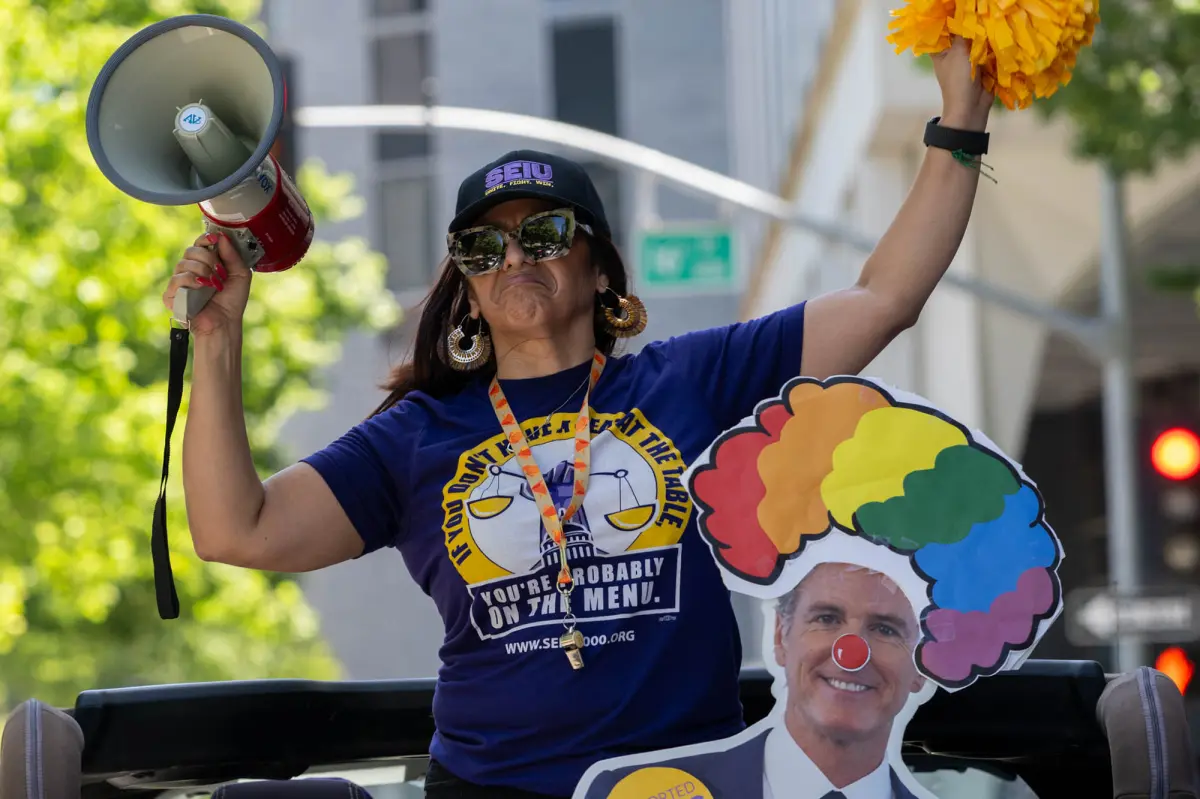
Public employee unions help elect the officials they negotiate with. They recruit candidates, supply volunteers, fund advertising and turn out voters. Then those officials approve pay and benefits financed by taxpayers.
How hard do you suppose they bargain with the organizations that put them in office?
Try that in the private sector. The United Auto Workers do not help elect Ford’s CEO. The Teamsters do not finance the selection of UPS executives.
A business must negotiate a contract it can afford while remaining competitive. Get that calculation wrong, and the company can fail.
Government can raise taxes, cut services or push costs into the future. Pension promises make that option convenient. Employees receive enhanced benefits, union leaders announce a victory, and politicians enjoy the applause.
The bill arrives years later, when somebody else holds office.
Gov. Gray Davis showed how it works in 1999, signing Senate Bill 400 to expand retirement benefits for state employees. Local governments followed with their own enhancements. Benefits were sweetened retroactively, increasing compensation for work already done. The sales pitch was that investment returns would spare taxpayers substantial new costs.
Politicians treated a booming market as permission to make permanent promises. Permanent obligations rested on forecasts nobody could guarantee.
Download The California Post App, follow us on social, and subscribe to our newsletters
California Post News: Facebook, Instagram, TikTok, X, YouTube, WhatsApp, LinkedIn
California Post Sports Facebook, Instagram, TikTok, YouTube, X
California Post Opinion
California Post Newsletters: Sign up here!
California Post App: Download here!
Home delivery: Sign up here!
Page Six Hollywood: Sign up here!
Then came the crashes. Nobody took back the promises. Taxpayers covered the difference, and public budgets have been absorbing the consequences ever since.
I saw this up close while handling media relations for the Orange County Sheriff’s Department. It never stopped astounding me: able-bodied deputies retiring at 50, then working for another law enforcement agency or a private security firm. A pension and another paycheck made economic sense.
They were following the rules our political leadership had created.
Retirees are not the whole problem. They are part of it. Pension spiking still happens, especially among employees hired before the 2013 reforms. Double-dipping persists too, with retirees returning to government payrolls while still drawing pensions. Others are more culpable: the unions that negotiated these deals and the politicians who signed them. But nobody in this system is a bystander.
California needs competent police officers, firefighters, nurses and engineers.
It also needs politicians more worried about protecting taxpayers than offending their union backers.
Most employees contribute to their pensions, and investment earnings help finance them. But many hired before 2013 still have some or all of their share picked up by their government employers. And taxpayers cover the shortfalls. A private-sector worker relying on a 401(k) absorbs losses in his own account and helps make the government pension fund whole.
Nobody offers him the same deal.
Pension costs leave less money for public services. Stockton had already cut roughly a quarter of its police force when it entered bankruptcy in 2012, while retirement costs kept climbing.
A pension obligation does not patrol a neighborhood, repair a street or keep a library open.
Gov. Gavin Newsom deserves credit for vetoing another pension expansion for police officers and firefighters last month. That lawmakers sent it to him shows how little the incentives have changed.
The 2013 pension reforms mainly covered new hires. They limited benefits without changing who negotiates with whom.
I have reached a conclusion I once would have considered unthinkable: California should end public-sector collective bargaining.
Honor benefits already earned. Protect employees’ rights to organize and advocate politically.
But stop requiring taxpayers to finance contracts negotiated between unions and the politicians they helped elect. Both sides have too much to gain from spending somebody else’s money.
Even Franklin Roosevelt understood the problem. In 1937, the architect of the New Deal warned that collective bargaining could not simply be transplanted into public service.
In government, the employer is the public. Politicians negotiating a contract are supposed to represent all of us.
California ignored that warning and built a political machine with a claim on generations of tax revenue. Taxpayers have elected officials who too often owe unions their careers.
The enormous pensions detailed in the California Post are the tip of the iceberg. Beneath them sits a $153 billion hole that politicians have left taxpayers to fill.
The political machine keeps making promises. You keep paying for them.
Jon Fleischman, a longtime strategist in California politics, writes at SoDoesItMatter.com