
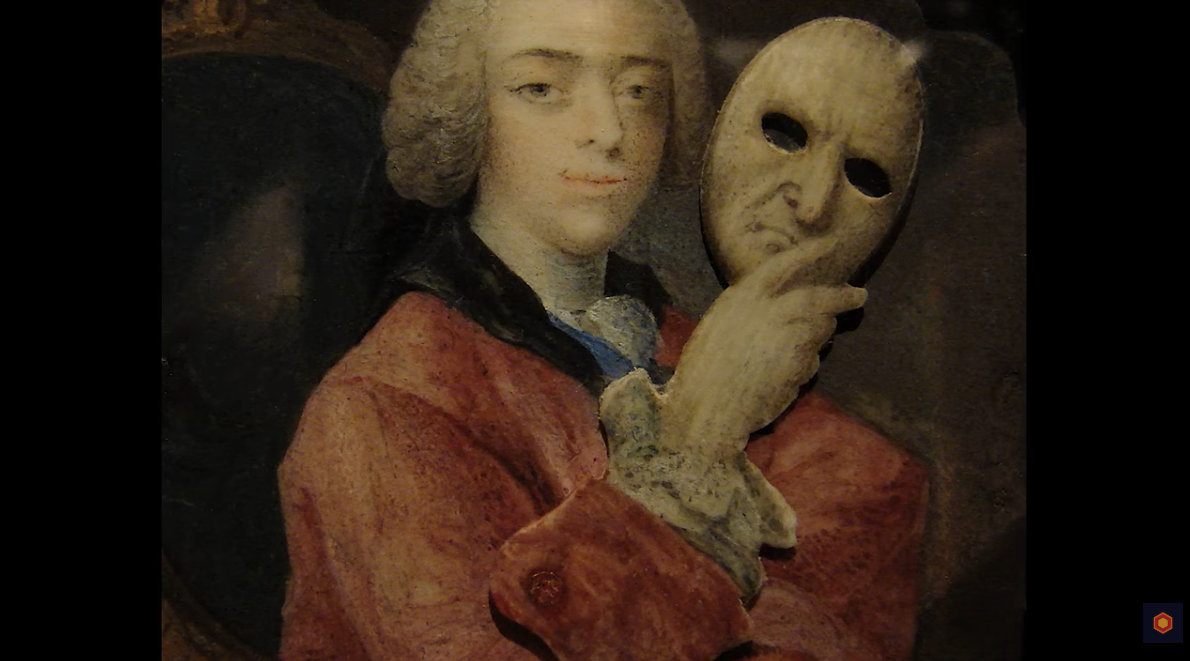
Dark Psychology: The Hidden Motives of Social Life
Exclusive Interviews, Videos
Dark Psychology: The Hidden Motives of Social Life
By
Bryan Lutz – July 21, 2026
Bryan Lutz – July 21, 2026
/script type=”text/javascript” data-src=”https://app.getresponse.com/view_webform_v2.js?u=S6bT5&webforms_id=A25R”>
Summary
The narrator argues that “dark psychology” — selfishness, vanity, envy, deception, and manipulation — drives far more of human social life than people are willing to admit, and that we are largely “strangers to ourselves,” consciously aware of only a tiny fraction of our real motives. Drawing on Trivers and on Simler and Hanson, he contends self-deception is not merely about protecting self-esteem but serves a strategic social function: the best deceiver is the one who believes his own deceptions, so our brains keep our conscious minds in the dark about ugly motives in order to hide them from others. He concludes that recognizing this need not breed cynicism, because selfish and lofty motives coexist in the same person, and we should treat others’ hidden motives as fascinating data, like a mineralogist examining a specimen.
Top 5 Key Topics
- Self-deception as a tool to deceive others: Citing Robert Trivers (“we deceive ourselves the better to deceive others”), the video argues the wolf who convinces himself he is a sheep best convinces others he is harmless. Simler and Hanson are quoted that humans are “designed” to act on hidden motives and keep the conscious mind unaware of ugly ones.
- Envy and schadenfreude in friendship: The narrator claims most people feel envy at a friend’s success and hide it even from themselves, leaking it out as insults disguised as jokes, like Aesop’s fox calling the grapes sour. He cites Schopenhauer’s test of a friend’s sincerity — telling them of a misfortune and watching for a fleeting smile or sparkle of glee — alongside La Rochefoucauld’s maxim that a friend’s misfortune contains “something that is not entirely displeasing to us.”
- Vices disguised as virtues: Following La Rochefoucauld (“our virtues are most frequently but vices disguised”), the video argues obedience and dutifulness are often cowardice, and niceness is frequently a mask worn out of fear of exposing one’s real meanness. It quotes that “laziness and timidity” keep us on the path of duty while virtue takes the credit.
- Gossip, projection, and false confession: The narrator says we criticize others for faults we possess to deflect from our own, and that gossip is popular because it grants an illusion of superiority, citing Nietzsche on “the value of belittling.” He notes people confess small faults (“too blunt,” “too honest”) to persuade others they have no large ones, when the reality may be cruelty.
- Vanity as the master motive: Calling vanity per Nietzsche “the most vulnerable and yet most unconquerable of things,” the video argues the hidden driver of conversation is vanity, which is why people speak eagerly and listen little, competing and interrupting to display wit and status. It cites Olivia Fox Cabane’s The Charisma Myth that the way to be liked is to let others impress you and make them feel smart rather than trying to sound smart yourself.
Posted in Exclusive Interviews, Videos