
After Losing His Brother, Kurt Busch Shows How NASCAR Is His Place Of Healing – The Federalist
Trite as they may be, cliches often have more than a grain of truth in them. Such is the case with the saying that sports provide an escape from everyday concerns. Even — perhaps especially — for sports stars themselves, pursuing their passions even amidst sorrow can allow them to rediscover joy.
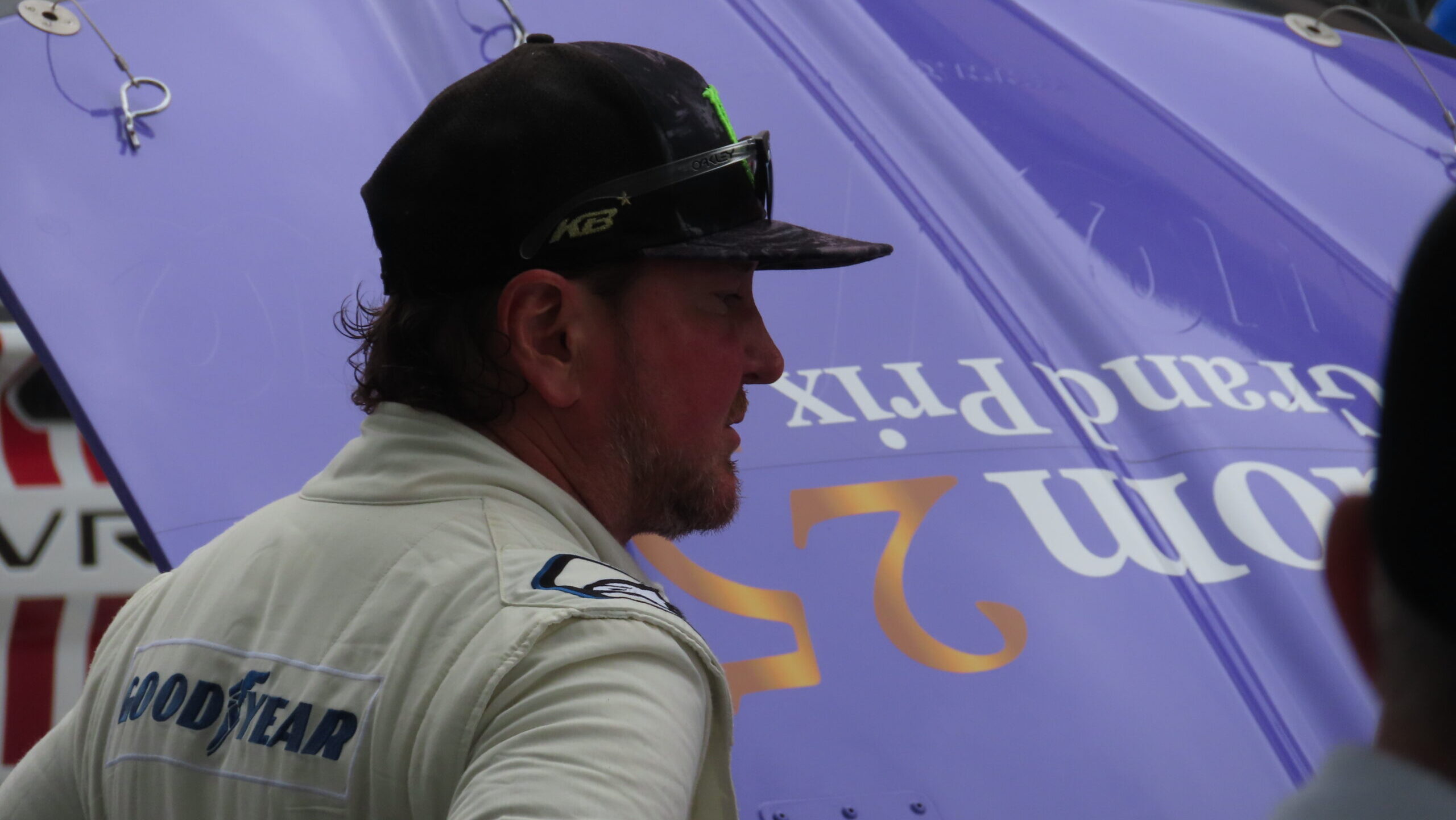
Judging from events at the recent Freedom 250 Grand Prix in Washington, D.C., Kurt Busch understands how sport can provide fellowship and brotherhood in good times and bad. Kurt and his family continue to mourn the tragic death of his younger brother Kyle three months ago. But a day at the track and in the race car saw the recently inducted NASCAR Hall of Famer back in his element, and having a great amount of fun in the process.
NASCAR’s Family Ties
A recent episode of the USA Network documentary series NASCAR Americana focused on stock car racing’s family ties. Just as fans pass down their passion from generation to generation, so too does Cup Series stardom run in the family: the Jarretts (Ned and Dale), Blaneys (Dave and Ryan), Wallaces (Rusty, Kenny, and Mike), Elliotts (Bill and Chase), and many more.
While celebrating the strong bonds that racing can provide, the show also touched on the darker side of a sport where drivers race next to concrete walls at speeds exceeding 200 miles per hour. Both of NASCAR’s signature families have suffered loss at the racetrack: Adam Petty, grandson of “King” Richard Petty and great-grandson of Hall of Famer Lee Petty, died tragically in a May 2000 crash; about nine months later, Dale Earnhardt, Sr. died in a wreck on the last lap of the 2001 Daytona 500.
Although his brother Kyle died from pneumonia and sepsis rather than an on-track incident, Kurt Busch appeared in the NASCAR Americana series to talk about the loss of his brother. In some of his first interview comments since Kyle’s death, Kurt spoke about how both he and Kyle inherited their competitive drive and fire from their father, himself a mechanic and local short track racer. In a separate interview for a recent ESPN story, Kurt also recounted how the fluky nature of Kyle’s fatal illness — he said a doctor called it a “one in a million” set of circumstances — “makes all of this so frustrating and difficult to accept.”
And yet other voices included in the NASCAR Americana program provided solace and wisdom for Kurt Busch and other individuals struggling through loss. In his interview, “King” Richard Petty said that after Adam’s death, he agonized over his own decision to go into racing, reasoning that if he hadn’t become a stock car racer, his grandson never would have chosen the profession that killed him. But eventually, Petty said his faith helped deliver comfort and silence the voices of doubt: “Don’t put a question mark where God has placed a period.”
On-Track Camaraderie
On the heels of his brother’s death, Kurt Busch ended up back in a race car as part of the revitalized International Race of Champions series. In mid-August, Busch won a race by inches over NASCAR Hall of Famer Jimmie Johnson at Laguna Seca in California. The following week, Busch and IROC came to Washington for a two-race event with NASCAR and IndyCar legends as part of the Freedom 250 Grand Prix weekend.
Busch finished second in each of the short sprint races, both of which were won by NASCAR Hall of Famer Jeff Gordon. But to hear his comments, one would have thought he had won his first race. In an interview with Fox Sports between the two races, Busch said that “we’re beyond the limits — beyond the limits of fun.” And in the post-event press conference, he indicated the Washington event was a “top-ten moment” of his career and said he loved the “frat-house” vibe of being around longtime competitors.
Jeff Gluck of The Athletic posted the video of the entire press conference, and it’s worth a watch for the playful smack-talk between the racers alone. The jokes — among both the competitors themselves and the reporters covering them — flowed freely and copiously.
Hearing that Busch would compete in the IROC race in Washington, this observer thought he might have the opportunity to ask Kurt about how being back at the track helped his healing process. But I didn’t. For starters, after witnessing that press conference, I didn’t have the heart to bring up his brother’s recent death to someone so clearly enjoying himself — nor would most people.
But on another level, the legal phrase res ipsa loquitur came to mind — the question answered itself. In getting back behind the wheel and reconnecting with his racing brotherhood, Busch undoubtedly rediscovered joy in his life. The scene reminded me of how Dale Earnhardt, Jr.’s move to broadcasting helped him rediscover the joy of racing from a fan’s perspective.
Kurt Busch, and Kyle Busch’s entire family, will still have difficult days as they mourn their brother and loved one, of course. We all have difficult days in our lives at one time or another, and for one reason or another. But events at the Freedom 250 Grand Prix illustrated how the bonds created by sport can help ease the pain of the bad days and heighten the joys of the good ones.