
Samsung’s humanoid robot ambitions are real, but factories come first
Samsung wants a place in the humanoid race, but its new robotics push begins with machines built for factories rather than homes.
The CEO-led RX robotics division will initially focus on manufacturing robots. Samsung has separately identified humanoids as a priority, although it hasn’t announced a commercial model or explained where one fits into the division’s immediate plans.
Its ambitions clearly extend beyond conventional robot arms. The machines Samsung can deploy first, however, may look considerably less human.
Why are factories coming first
The division fits Samsung’s plan to transform its manufacturing operations into AI-driven factories by 2030. Its roadmap includes humanoids alongside assembly and logistics systems.
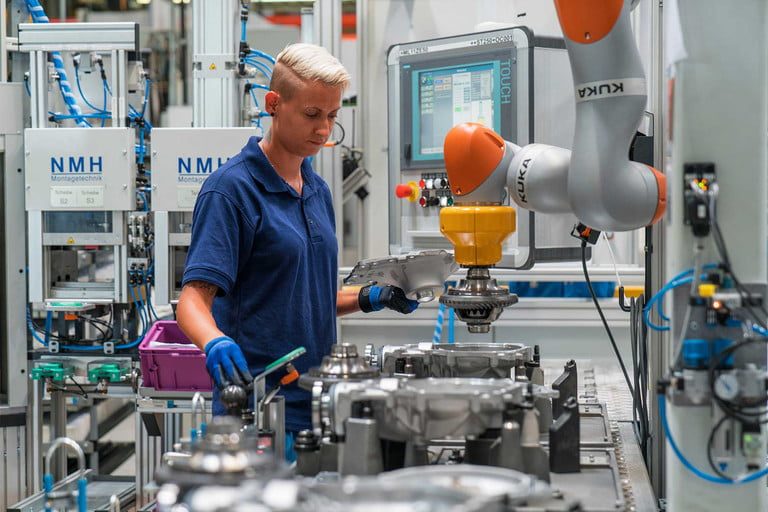
Factories are an obvious starting market. The work is structured, the surroundings can be controlled, and Samsung already operates production facilities around the world.
That doesn’t establish the factories as training grounds for future household humanoids. It gives Samsung somewhere practical to build an industrial robotics business while the grander promises remain unfinished.
What could Samsung build first
Samsung took control of Rainbow Robotics to accelerate its work on advanced robots, including humanoids. Rainbow was founded by researchers behind South Korea’s first bipedal humanoid.
Its RB-Y1 offers a more realistic picture of what could arrive first. The robot has two arms and a human-like working range, but it moves on wheels. It has reportedly undergone testing inside a Coupang warehouse, although Samsung hasn’t identified it as part of the RX division’s roadmap.
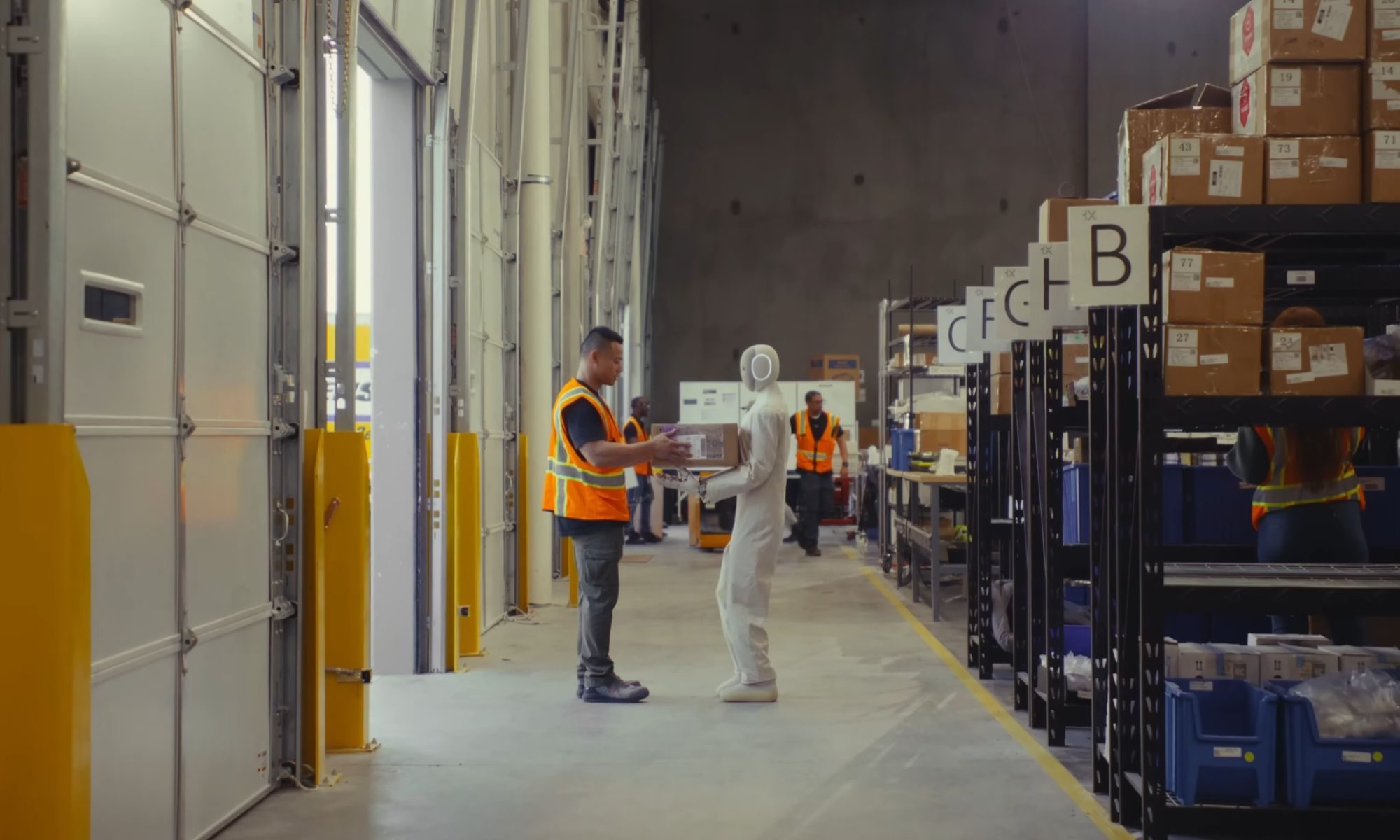
Walking robots make impressive demonstrations. Wheels make more sense when the machine has a shift to finish.
When could robots reach homes
Samsung’s ambitions could eventually extend into stores and homes, but it hasn’t announced a consumer humanoid or provided a launch window.
Its history with Ballie gives us reason to stay skeptical. The rolling home robot missed its planned release before Samsung repositioned it as an internal innovation platform.
Industrial robots are Samsung’s business today. Humanoids remain the larger ambition, while a Samsung machine folding your laundry is still firmly in the PowerPoint phase.