
US-Iran Doha Talks: Vance Warns Tehran as Direct Negotiations Stall
The Trump administration is publicly projecting confidence over renewed Iran talks in Doha, even as Tehran continues to reject direct negotiations with American representatives.
President Donald Trump said Wednesday that the United States and Iran are “getting along very well,” adding that recent meetings in Qatar had been “very good” and that discussions over Iran’s denuclearization were “moving along well.” JP reported that U.S.-Iran technical talks were held in Doha on Wednesday, focused on shipping through the Strait of Hormuz and securing a lasting ceasefire.
But behind the optimistic language, the diplomatic reality remains more complicated. Iranian Deputy Foreign Minister Kazem Gharibabadi denied that any direct talks had taken place, saying negotiations were conducted through Qatari and Pakistani mediators. Axios reported that the main issues in Doha included the Strait of Hormuz, Iranian frozen assets, and regional ceasefire arrangements.
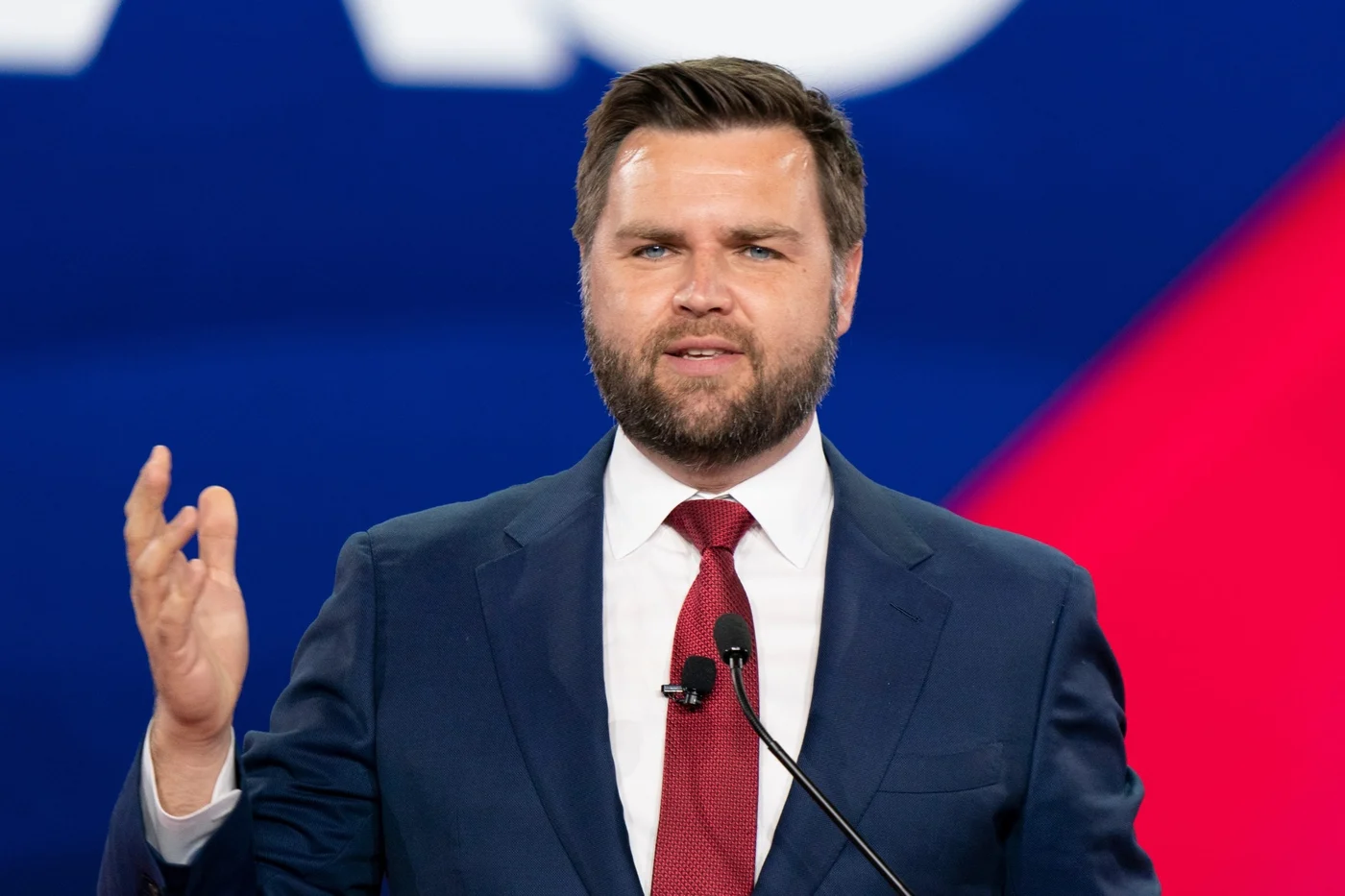
Vice President JD Vance struck a sharper tone, warning that the United States retains options if Iran tries to rebuild its nuclear program, threaten its neighbors, or continue supporting terrorism. Speaking to U.S. troops, Vance argued that recent American military action had pushed Iran’s nuclear program back significantly, while making clear that Washington does not intend to strike merely for the sake of striking.
The administration’s message appears to be twofold: diplomacy remains the preferred track, but military pressure is still available if Iran tests the limits of the ceasefire.
The talks come after a fragile memorandum of understanding signed on June 17, which was meant to end months of conflict and reopen the Strait of Hormuz.
One of the biggest sticking points is Iran’s demand for control or fees connected to passage through Hormuz. Axios reported that the Trump administration is trying to convince Iran that a broader nuclear and regional agreement would be far more valuable than attempting to impose tolls on commercial shipping.
Trump’s envoys, Steve Witkoff and Jared Kushner, traveled to Doha this week for high-level meetings with Qatari officials. According to JP, the White House said the two were attending meetings connected to the Iran file while technical talks continued on the sidelines.
At the same time, the administration has reportedly reviewed military options in the event diplomacy collapses. Axios reported that Trump asked to be briefed on possible military responses after Iranian attacks in the Strait of Hormuz, though he ultimately chose to allow negotiations to continue.
For now, the White House is trying to preserve the impression of diplomatic momentum. Tehran, however, is signaling that it will not easily accept direct engagement with Washington or surrender its leverage in Hormuz.
That leaves the talks in a familiar position: America says progress is being made, Iran denies giving Washington the direct negotiations it wants, and the Strait of Hormuz remains the pressure point that could determine whether diplomacy survives, or whether the region moves back toward open confrontation.