
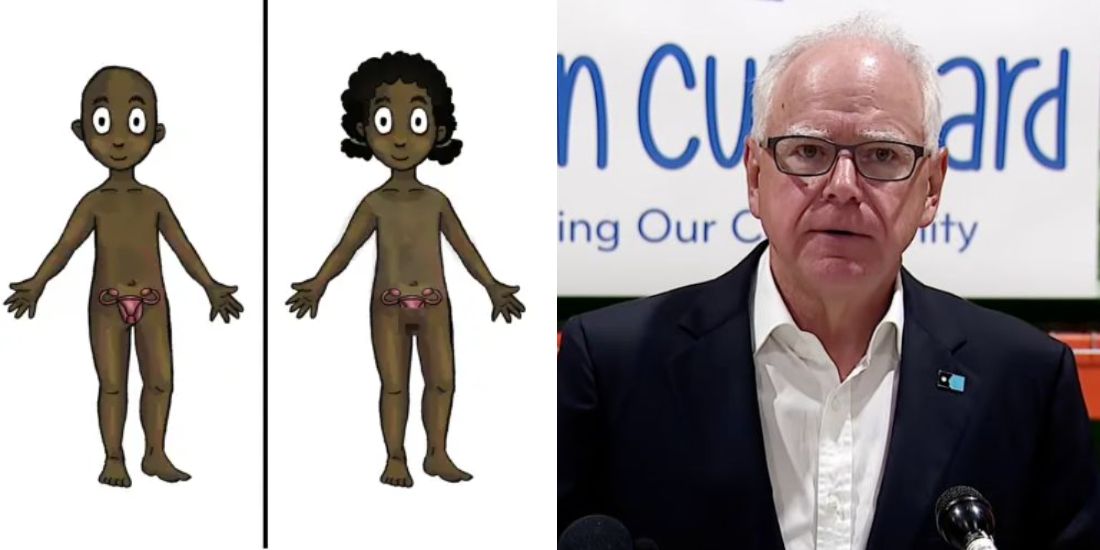
Taxpayer-funded trans dolls with removable genitalia to be available to 4-year-olds in Minnesota schools
The “first-of-their-kind” dolls will be available to children in some Minnesota classrooms to kids as young as four years old.
“Transgender” dolls with removable genitalia will be hitting classrooms in Minnesota, all with the bill paid for by state taxpayers.
The “first-of-their-kind” dolls will be available to children in some Minnesota classrooms to kids as young as four years old, according to a report from the New York Post. The taxpayer-funded paper dolls will have “gender-neutral” names such as Sam, Rory, Avery, and Parker. The paper dolls also come with over 100 interchangeable pieces of clothing.
The goal of the paper trans dolls for kids is to “learn about the different options that exist for who they can be,” a therapist at the University of Minnesota Medical School said of the dolls. The project was funded by the Tim Walz administration.
Over the last six years, the Medical School’s Institute for Sexual and Gender Health research included offering $20 to $60 to “trans and gender diverse” as well as parents to use the dolls and “talk about gender and bodies.”
The promise of the trans dolls is to “make gender fun,” and according to the website of a company that took the research idea and ran with it as a commercial venture, the dolls are “built to help children tell their stories and see themselves represented.”
The dolls are meant for “professionals who support trans and gender diverse children in clinical and educational settings,” including therapists, teachers, and school counselors, the company adds. The website, however, does not disclose the cost of the paper dolls.
The University of Minnesota’s Medical School has received $15 million from the state each year for funding, and funds have been earmarked as helping to “increase the medical school’s research capacity” and “ensure its national prominence.”
Therapists from the university’s medical school said that they used the dolls to have children talk about their genitalia. “We were able to explore and brainstorm not just what our bodies are able to do now but what we want our bodies to do and look like in the future,” Adjunct Assistant Professor Elizabeth Panetta said.
https://rumble.com/embed/v7b0vtk/?pub=2n05b