
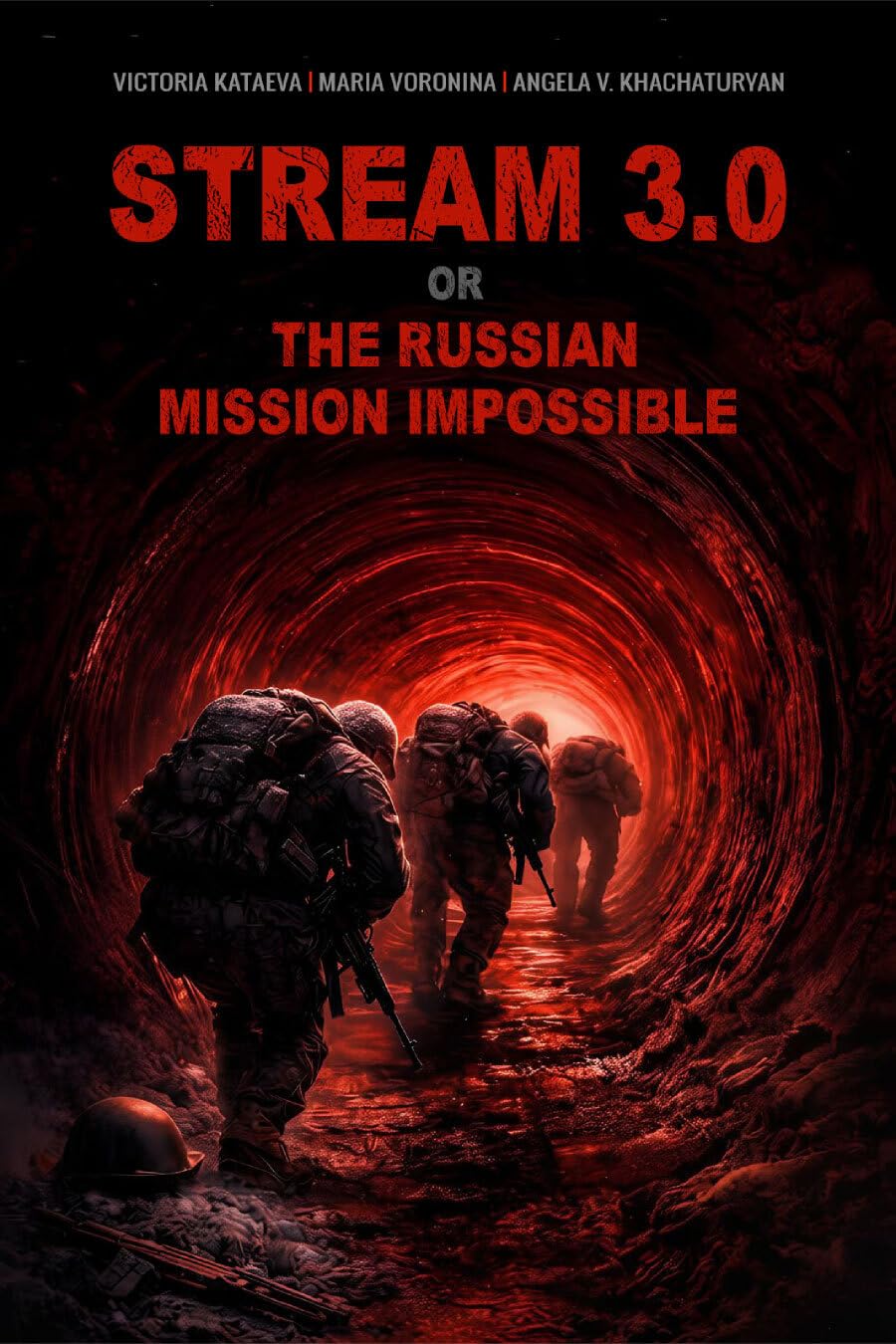
BOOK REVIEW: Stream 3.0 Or The Russian Mission Unattainable – Armed Forces Press
As a student of military history, a passion of mine even before attending the U.S. Air Force Academy where that passion intensified, I have always been interested in unique military stories, no matter the uniform, no matter the war.
So, when offered to read Stream 3.0, I did not say no, as I had heard of the operation and wanted to know more.
The gist of the story is that during the Ukrainian invasion of the Russian Kursk region, an incursion that obviously shocked the Kremlin but was ultimately defeated by Russian armed forces where massive losses were inflicted on the Ukrainian side, Russian special forces, or Spetznaz, entered a dormant gas pipeline and traveled underground to appear behind the Ukrainian lines, surprising Ukrainian formations.
The book description reads, Through the voices of the soldiers who carried it out, the narrative reveals the human side of modern warfare—fear, sacrifice, endurance, and the determination required to survive under extreme conditions. Set against the backdrop of the battle for Sudzha in the Kursk region, this gripping account blends personal stories with detailed context, offering both a powerful war narrative and a valuable historical record.
While the book is written in a biased manner, and replete with what many in the West would call propaganda, the basic emotions and facts behind the story seem accurate.
In an age where propaganda is flowing from both sides in the Ukrainian conflict, perhaps the lesson taken from Stream 3.0 is that the Russian people are behind the conflict and Russia’s soldiers are willing to do anything for their homeland, in a war they see as just, to liberate the Russian-speaking populations of Donbass, and to protect their nation again from invasion from the west.
The book is full of personal accounts from those involved in the mission and also from the healthcare workers who treated the soldiers, who were exposed to chemicals and toxins in the pipeline for long periods of time.
I found the emotions of the writers honest in their attempts to describe the Russian mindset towards the war.
For those interested in military history and knowing more about the conflict from the Russian side, which is mostly restricted in the Western media, I would recommend.