
PACIFIC EXPOSURE: U.S. Strips Asia of Missile Defenses to Plug Holes in – JP
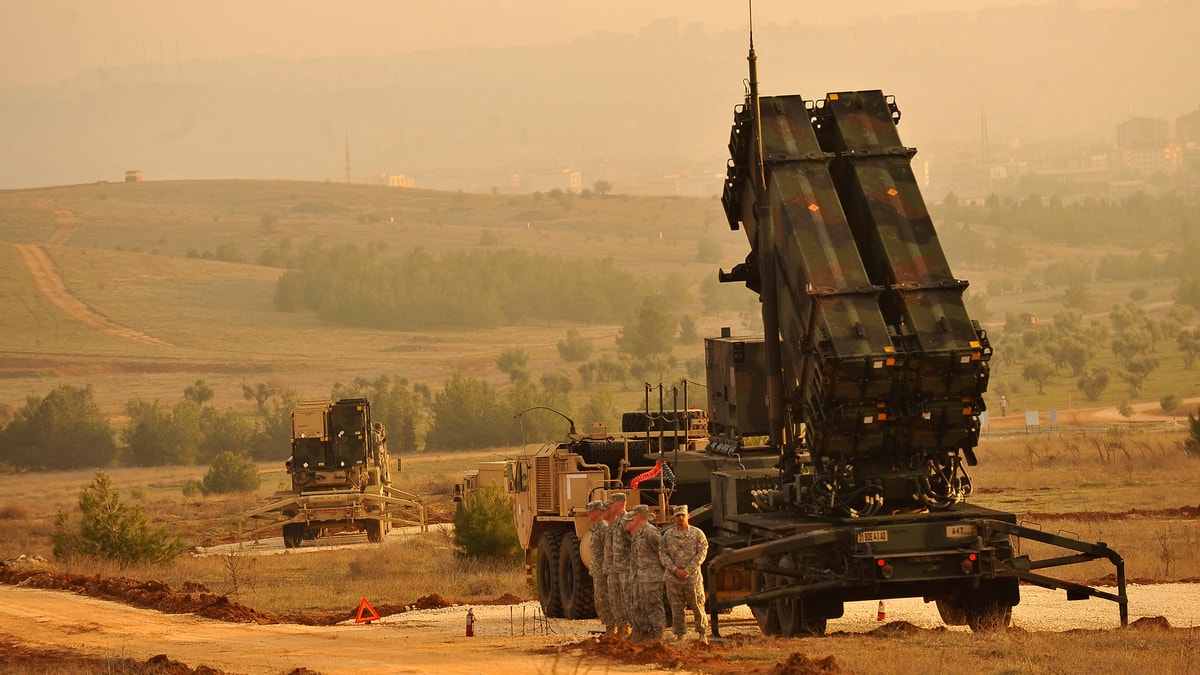
The intensifying war with Iran is forcing Washington to make painful strategic trade-offs, withdrawing critical air defense systems from South Korea and Japan to reinforce the Persian Gulf. This redeployment of Patriot batteries and THAAD components comes as U.S. assets in the Middle East sustain heavy damage from Iranian missile and drone swarms.
In Seoul, President Lee Jae-myung addressed the cabinet yesterday, acknowledging the controversy surrounding the departure of American hardware.
Reports confirm that U.S. Forces Korea (USFK) are shipping artillery batteries and air defense units out of the peninsula.
While expressing South Korea’s opposition to the move, Lee admitted Seoul is “not in a position to make demands.” He insisted that South Korea’s own conventional superiority over the North remains sufficient to deter Pyongyang.
Despite the South Korean government’s calm public face, military experts are sounding the alarm.
Professor Choi Gi-il of Sangji University warned that North Korean leader Kim Jong-un might interpret the withdrawal as a softening of Washington’s commitment. This could trigger “low-level provocations” to test the alliance’s resolve.
Last month, Kim Jong-un officially designated the South as the “most hostile enemy” and has been intensifying naval and nuclear tests as American resources pivot toward Tehran.
The U.S. maintains approximately 28,500 troops in South Korea. The decision to pull Patriot and THAAD (Terminal High Altitude Area Defense) systems from this theater highlights the severity of the attrition currently being faced in the Middle East. With U.S. bases in the Gulf suffering from damaged radar sensors and depleted interceptor stocks, the Pentagon is essentially “borrowing” security from one flashpoint to survive another.
Walla contributed to this article.
Source
Las Vegas News Magazine