
Vucic’s Fantasy Future: Serbia 2035 – One other Propaganda Ploy To Silence The Streets? – The Balkan
Please Follow us on Gab, Minds, Telegram, Rumble,Truth Social, Gettr, X , Youtube
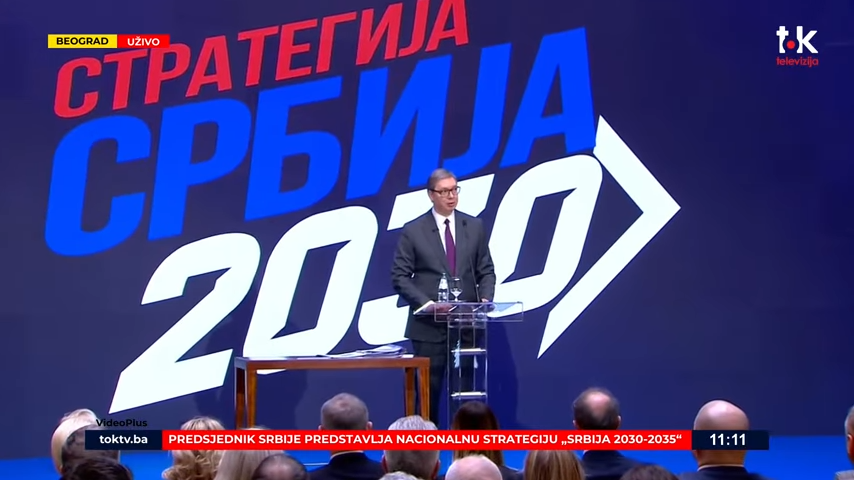
In a grand spectacle timed suspiciously amid growing unrest, Serbian President Aleksandar Vucic unveiled his latest vision for the nation – the “Serbia 2035” plan, bundled with a “National Strategy Serbia 2030.” Promising a utopian leap into prosperity, EU membership, and high-tech wonders, the announcement feels less like a roadmap and more like a desperate deflection from the boiling demands for real change echoing across Serbia’s streets.
The plan paints a rosy picture of Serbia’s trajectory: by 2035, the country would boast EU membership (though Vucic hedges on full voting rights or a commissioner post), an average salary of 1,700 euros, 1,000 humanoid robots humming in factories, a nuclear power plant, and massive investments totaling around 48 billion euros by then – with 17 billion poured in by 2030 alone. Vucic envisions Serbia as an “independent, free, and sovereign” powerhouse, complete with a new humanoid robot factory opening as early as June 2026. He even touted this era as the “best life in Serbian history,” brushing aside current woes with promises of accelerated reforms and economic growth.
But let’s pump the brakes on this hype train. This isn’t Vucic’s first rodeo with shiny long-term plans – remember “Serbia 2025,” which dangled 1,200-euro salaries and EU accession by last year? That fizzled out without fanfare. And the backstory here reeks of improvisation: just weeks ago, Vucic reportedly flew into a rage when government ministers handed him drafts for “Serbia 2030” and “2035” allegedly whipped up by ChatGPT, demanding human-written versions instead. If even the blueprint was AI-generated slop, how seriously can we take the final product?
Skepticism runs deeper when you factor in the timing. Serbia is roiling with discontent – mass protests sparked by the tragic 2024 Novi Sad railway station roof collapse have evolved into a nationwide student-led movement demanding accountability, rule of law, and early elections before Vucic’s 2027 term ends. Students and citizens aren’t clamoring for robot factories or nuclear dreams; they’re fed up with corruption, cronyism, and a government that prioritizes power over people. Vucic’s bombastic rollout at a political rally in Belgrade smells like classic propaganda: dangle futuristic carrots to distract from the rotten present, where public trust is eroding and calls for change are deafening.
In a country where young people are hitting the streets for basic justice, this “2035” mirage seems tailored to buy time and shore up support among loyalists. Critics see it as Vucic’s bid for extended rule, perhaps eyeing a prime ministerial comeback, modeled on authoritarian longevity elsewhere. Will Serbia really hit these milestones, or is this just another chapter in a decade-long saga of overpromising and underdelivering? With the student movement gaining momentum, the real plan Serbians want might not come from the podium, but from the protests.