
Unlocking On a regular basis Investments: Tokenization Defined, Straight From The SEC – JP
Please Follow us on Gab, Minds, Telegram, Rumble, Truth Social, Gettr, Twitter, Youtube
In a recent Fox Business interview, Maria Bartiromo sat down with new SEC Chairman Paul Atkins to demystify the world of digital assets. Amid buzz about cryptocurrency’s future, Atkins dropped a bombshell: the SEC is overhauling its approach to “tokenization”—the process of converting real-world assets into digital tokens on blockchain networks. He outlined a fresh classification system for tokens, stressing that most aren’t securities but tools for innovation. For average investors like you and me, this could mean easier access to high-value investments that once felt out of reach. Let’s break it down simply.
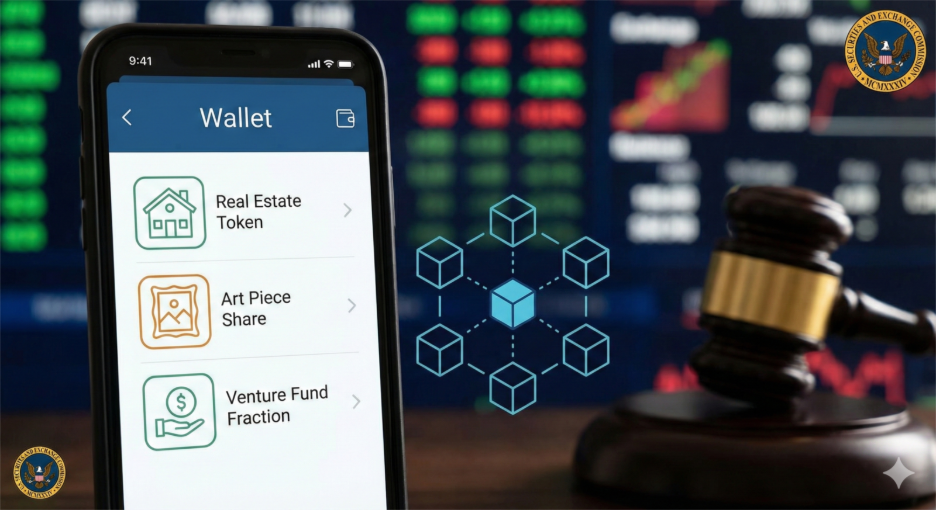
First, what is tokenization? Imagine your favorite painting or a slice of prime real estate. Traditionally, owning these requires deep pockets—millions for a Picasso or a Manhattan condo. Tokenization changes that by representing these assets as digital “tokens” on a secure, transparent blockchain ledger. Think of it like slicing a pizza into shares: each token is a verifiable piece of the pie, tradable 24/7 without banks or brokers slowing things down. Atkins highlighted “tokenized securities,” which mirror stocks or bonds but with blockchain’s efficiency baked in.
Enter fractionalization, the real game-changer for everyday folks. This is tokenization’s best friend: breaking big-ticket assets into tiny, affordable fractions. Why does it matter? Many investments—like rare art, private equity, or even farmland—are “illiquid,” meaning they’re hard to buy or sell quickly without losing value. Fractionalization flips the script. You could own 1/1,000th of a $10 million office building for just $10,000 (or less), pooling money with others via platforms. Suddenly, illiquid assets become marketable, buzzing on global exchanges like stocks.
Atkins’ interview underscored the SEC’s push for clarity. “The industry has been operating in a fog,” he said, pointing to outdated rules clashing with blockchain’s speed. His four-tier system—Digital Commodities (like Bitcoin), Collectibles (NFTs), Tools (utility tokens), and Tokenized Securities—aims to cut confusion. Most tokens won’t face heavy SEC scrutiny, freeing innovators to tokenize everything from invoices to intellectual property. For investors, this means lower barriers: no more needing millionaire status to diversify into alternatives that hedge against stock market dips.
The perks are huge. Accessibility: Start small, build wealth gradually. Liquidity: Sell fractions instantly, not after months of paperwork. Transparency: Blockchain tracks every transaction, reducing fraud risks. A Boston Consulting Group study estimates that tokenized assets could reach $16 trillion by 2030, unlocking markets for retail investors.
But it’s not all sunshine—risks lurk: Blockchain hacks, regulatory shifts, or token values crashing with crypto volatility. Atkins warned of the need to protect investors while fostering growth, urging caution. Always vet platforms, understand fees, and diversify—don’t bet the farm on one token. Another important point regarding risk is that, through increased asset diversification, risk is inherently reduced.
As the SEC mobilizes under Atkins’ lead, tokenization isn’t just Wall Street jargon; it’s a ladder for Main Street. Whether fractionalizing wine collections or green energy projects, this tech democratizes wealth-building. Tune into more interviews like Bartiromo’s—your portfolio’s future might depend on it. Ready to dip a toe? Research compliant platforms and consult an advisor. The asset revolution is here, and it’s fractionally yours.