
Dehumidifier vs Humidifier: Which One Your Residence Actually Wants
The air inside your home does more than you might think. Whether it feels too dry in winter or too sticky in summer, indoor humidity plays a major role in your comfort, your health, and even the condition of your home itself. The good news is that two common household devices — humidifiers and dehumidifiers — are designed to help you keep that balance in check.
But which one is right for you? The answer depends on your climate, your symptoms, and what’s happening inside your living space. Here’s a practical guide to understanding both devices and figuring out which one your household needs.
Understanding Humidity and Why It Matters
Humidity refers to the amount of moisture in the air. When indoor humidity levels fall outside a healthy range, the effects can show up in your body, your belongings, and the structure of your home.
The ideal indoor humidity level is typically between 30% and 50%. When humidity drops below that range, the air becomes uncomfortably dry. When it climbs above 50%, excess moisture can create a host of problems, from mold growth to worsening allergy symptoms.
That’s where humidifiers and dehumidifiers come in. Put simply, humidifiers add moisture to the air, while dehumidifiers remove excess moisture. Both work toward the same goal: keeping humidity balanced so your home remains comfortable and healthy.
When You Need a Humidifier
Dry indoor air is a common complaint, particularly during colder months when heating systems run frequently. If your skin feels tight, your throat is scratchy, or you’re getting shocked by static electricity, low humidity may be to blame.
According to Healthline, “Humidifiers can help add moisture to the air when your air is too dry. Dry air can exacerbate allergy and asthma symptoms and make you more susceptible to airway infections and other issues, including:
- sore throat
- nosebleeds
- bronchitis
- sinus inflammation (sinusitis)
- cold
- influenza”
For households dealing with recurring dry-air symptoms — cracked lips, irritated nasal passages, or worsening respiratory issues — a humidifier can make a meaningful difference in daily comfort.
When You Need a Dehumidifier
On the other end of the spectrum, too much moisture in your home can create an environment where allergens flourish, and air quality suffers.
“Excessively moist air can cause mold and dust mites to thrive in your home, causing allergic reactions and triggering severe asthma symptoms. Hot, humid air can cause airway constriction as a result of nerve responses,” Healthline explains.
Dehumidifiers help remove excess moisture from the air, and they can be especially useful in a range of everyday situations. According to Healthline, dehumidifiers can also help when:
- you have chronic or seasonal allergies
- you’ve just moved somewhere new where your allergy symptoms are worse
- your home smells wet or there are excessively moist areas of your home
- your home leaks after rain
- you see water vapor in your air at home or notice that the air feels heavy and wet
- you’re allergic to dust mites
- you have too many pests like spiders or silverfish
- your clothes take a long time to dry when you line-dry them
- you find yourself coughing or having runny noses frequently
If any of those scenarios sound familiar, a dehumidifier could help restore comfort in your home and reduce the triggers that lead to respiratory issues.
Dry Air vs. Humid Air: Comparing the Two Devices
Choosing the right device starts with identifying what your home is actually experiencing. Here’s how the two compare across common concerns:
Allergies and asthma: Both dry air and excessively moist air can worsen allergy and asthma symptoms — but for different reasons. Dry air irritates airways directly, while humid air allows mold and dust mites to thrive, which can trigger allergic reactions and severe asthma symptoms.
Mold risk: If you’re noticing mold growth, condensation on windows, or a persistent musty smell, excess humidity is the likely culprit — and a dehumidifier is the right tool.
Comfort: Dry air can lead to cracked skin, static, and irritated sinuses. Humid air can make a room feel heavy, sticky, and uncomfortable. The right device depends on which of those sensations you’re experiencing.
Seasonal changes: Many homes may benefit from using both devices at different times of the year. Humidifiers are often most useful during dry, cold months, while dehumidifiers tend to be most helpful during warm, humid seasons.
How to Decide Which Device You Need
Not sure which direction your home’s humidity leans? There’s a straightforward way to find out.
According to heating and cooling system brand Bryant: “To decide if you need a humidifier or dehumidifier, you should assess your climate and your home’s specific environment. An easy way to get a precise reading is by using a hygrometer to measure the relative humidity.
- Choose a Humidifier If: Your home’s humidity is consistently below 30%. You might notice dry skin, static electricity, or cracked wooden furniture. These signs indicate the air is too dry.
- Choose a Dehumidifier If: Your home’s humidity is consistently above 50%. Signs of excess humidity include condensation on windows, a persistent musty smell, or visible mold growth, especially in basements and bathrooms.”
A hygrometer is an inexpensive tool available at most hardware stores, and it can take the guesswork out of the equation.
A Quick Note About Air Purifiers
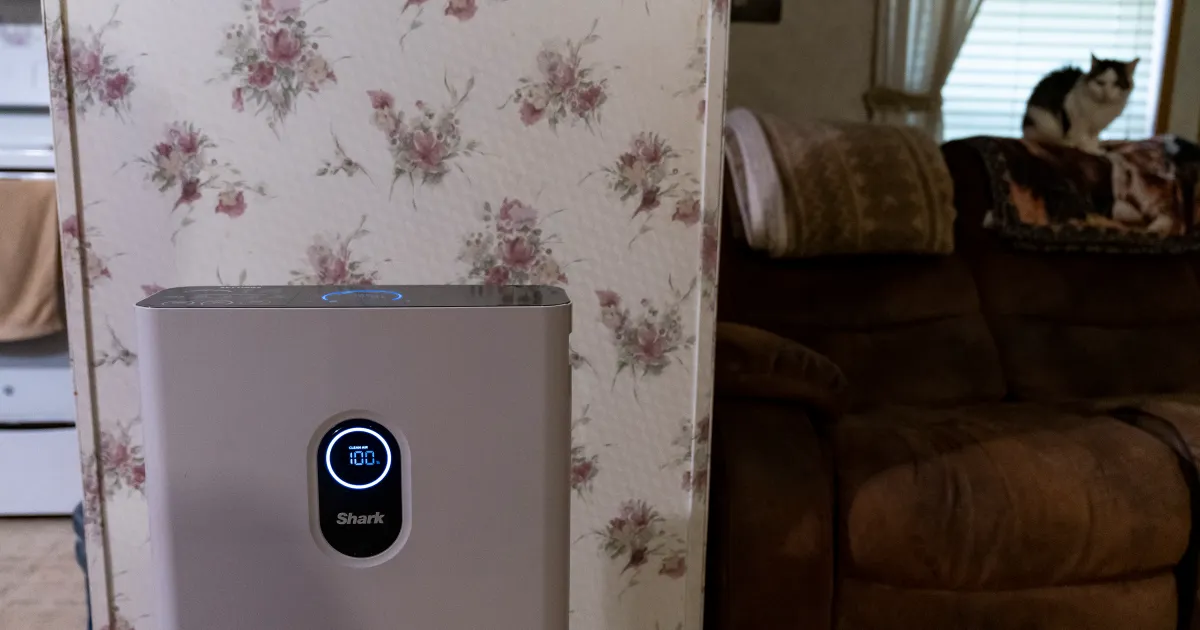
You may also have heard about air purifiers and wondered whether they serve a similar purpose. Air purifiers filter pollutants from the air, such as dust, pet dander, and smoke particles, but they don’t significantly control humidity. They serve a different function, and while they can complement a humidifier or dehumidifier, they aren’t a substitute for either when it comes to managing moisture levels.
The Bottom Line
Balanced humidity supports comfort, easier breathing, and overall home health. Whether your home runs too dry or too damp, the right device can make a noticeable difference in how you feel day to day.
Start by paying attention to the symptoms in your body and your home. Dry skin, nosebleeds, and static point toward low humidity and a humidifier. Musty smells, condensation, and mold growth point toward excess moisture and a dehumidifier. For the most accurate assessment, use a hygrometer to measure your home’s relative humidity, and aim to keep it within that 30% to 50% sweet spot.
In many households, owning both devices — and using them seasonally — is the most effective approach to maintaining a healthy indoor environment year-round.