
Décor Tendencies Making a Comeback in 2026
The creation of this article included the use of AI and was edited by human content creators. Read more on our AI policy here.
Something interesting is happening in interior design right now. While minimalism dominated for years, 2026 is shaping up to be the year homeowners rediscover the appeal of architectural character, handcrafted elements, and patterns with personality.
The shift isn’t about recreating your grandmother’s living room. It’s about borrowing techniques and details that have worked for centuries and applying them with a fresh eye. Here’s what’s gaining momentum—and how to incorporate these looks before they hit saturation.
Architectural molding is back (and it’s not just for old houses)
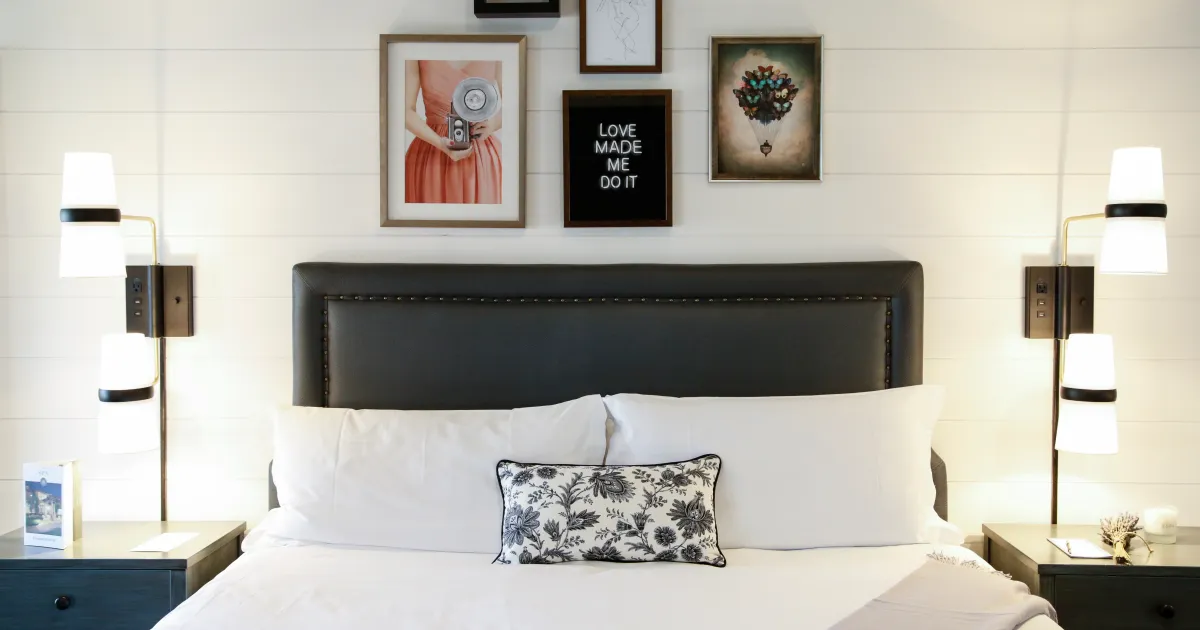
Decorative molding might sound like something you’d find in a Victorian brownstone, but designers are using it to add dimension to all kinds of spaces—including modern builds that lack built-in character.
Tom Cox of Ham Interiors explains the thinking behind this approach in Homes and Gardens: “When we start a project, architectural detailing is one of the first things we consider […] These elements may seem unimportant, but you instantly notice if you don’t have them, or if they feel wrong. They are an essential backdrop to the final scene.”
The details he’s referring to include skirting boards, architraves around doorways, ceiling cornicing, wall paneling, and thoughtfully designed partitions. These elements create visual rhythm in a room. They give your eye places to rest and transition between surfaces.
Cox notes that paneling works across different home styles: “We love to play with paneling and boarding because, depending on the type used, they create an atmosphere. It works in so many different types of homes – not just period properties.”
For those wanting a modern entry point, fluted paneling offers clean vertical lines that read as contemporary while still adding the texture and depth that flat drywall lacks. You can apply it to an accent wall, use it as wainscoting, or wrap it around a kitchen island for instant visual interest.
Stained glass gets a contemporary reinterpretation
Stained glass carries associations with churches and Craftsman bungalows, but a new generation of artisans is pushing the medium in unexpected directions. The results feel more like art installations than historical reproductions.
Elaine Bauer Brooks of Bauer Brooks Interior Design Studio shared her perspective with Living etc: “Several talented artisans are bringing their point of view to stained glass techniques. There are myriad ways to incorporate this ancient art into a modern home: use it in a powder bath window, frame a passageway, or accent a custom bookcase with stained glass panels that are lit from behind.”
That last suggestion—backlit stained glass in a bookcase—demonstrates how this trend is evolving. Rather than replacing existing windows, designers are finding creative placements where colored glass can become a focal point. A powder room window offers privacy while introducing color. A glass panel above a doorway adds visual interest to a transitional space. The applications are more flexible than the traditional approach suggests.
Patterned wallpaper returns with purpose
The pendulum has swung away from the all-white, all-neutral aesthetic that dominated the past decade. Chintz patterns—those dense, often floral designs associated with English country houses—are finding their way back onto walls.
Liz Williams, founder of Liz Williams Interiors, explained the appeal to Living etc: “Homeowners are moving away from flat, one-color walls. This adds depth, personality, and a collected feel that paint alone cannot achieve.”
The key word there is “collected.” The look these patterns create suggests a home that has evolved over time, filled with pieces chosen for meaning rather than purchased as a matching set. That layered quality resonates with people tired of interiors that feel staged or impersonal.
If full-wall chintz feels like too much commitment, consider starting with smaller spaces. Bedrooms, powder rooms, hallways, breakfast nooks, and kitchens all work well for patterned wallpaper. Small-scale patterns or subtle textures can introduce this aesthetic without overwhelming a room. A single papered wall in a breakfast nook, for instance, can transform the space without requiring you to commit to pattern everywhere.
Skirted furniture and creative fabric applications
Fabric is showing up in unexpected places. Beyond upholstered chairs and sofas, designers are using textiles to soften hard surfaces and hide utilitarian elements.
Sabrina Ramkhelawan, owner of Yorkville Studio and winner of the TWOPAGES Design Contest, offered this insight to Living etc: “Curtains aren’t just for windows. You can use pencil-pleat cafe curtains behind cabinet doors and china cabinets, or skirted drapes to hide appliances.”
This approach serves both aesthetic and practical purposes. A skirted console table can conceal storage underneath while adding visual softness to a room. Fabric panels behind glass cabinet doors create depth and hide less-attractive dishware. Curtains around a utility sink in a laundry room or mudroom dress up a purely functional space.
Skirted furniture itself—sofas, chairs, and ottomans with fabric extending to the floor—creates a more relaxed, lived-in feeling than exposed legs. The silhouette reads as traditional but pairs well with contemporary pieces when the fabric choice is right.
Colorful glassware as functional décor
This one requires minimal commitment: swap clear drinking glasses for colored alternatives. Amber, green, blue, and pink glassware adds personality to open shelving and make everyday moments feel slightly more considered.
The trend connects to a broader movement toward displaying functional objects as decoration. Rather than hiding dishes behind closed doors, homeowners are curating what sits on open shelves. Colorful glassware serves double duty—useful for daily life and visually interesting when not in use.
What ties these trends together
Each of these approaches shares a common thread: they prioritize texture, craft, and personality over the sleek uniformity that characterized recent design trends. They suggest homes shaped by individual taste rather than algorithmic recommendations.
The practical takeaway? You don’t need to embrace all of these at once. Adding architectural molding to one room, introducing a patterned wallpaper in a powder room, or swapping your glassware offers a low-risk way to test whether these directions resonate with your own aesthetic.
These details have persisted across decades because they work. They create visual interest, reward closer attention, and make spaces feel considered rather than default. That’s worth paying attention to—especially before these looks become so widespread they lose their distinctive appeal.