
America First, Data Second? Trump Dumps BLS Chief As Fed Turmoil Deepens – JP
Please Follow us on Gab, Minds, Telegram, Rumble, GETTR, Truth Social, X , Youtube
Recently, turmoil erupted across the federal government’s economic leadership with dramatic disruption at both the Bureau of Labor Statistics (BLS) and the Federal Reserve, fueled in part by direct political intervention and policy disputes.
The BLS, the principal federal agency responsible for the collection and analysis of key labor market data, faced heated controversy after the release of its July jobs report. The report showed only 73,000 jobs added, alongside significant downward revisions for previous months, intensifying concerns about a marked slowdown in hiring. This revision came at a moment when the White House had staked political capital on strong employment growth as a pillar of the administration’s “America First” strategy
Compounding the uproar, President Trump swiftly fired BLS Commissioner Erika L. McEntarfer following the jobs report’s release and the accompanying revisions. McEntarfer, a labor economist nominated by President Biden in 2023, was a confirmed appointee of a liberal administration with a background in statistical analysis and federal labor research. She took office in January 2024 after winning broad Senate approval, hailed for her expertise and experience. Yet, her tenure shifted dramatically when President Trump—frustrated with data undermining his economic narrative—publicly accused the BLS of delivering a “rigged” and “phony” report and directly blamed its liberal-appointed leadership.
The firing marked a rare and dramatic presidential intervention in a role historically insulated from partisan pressure. While the BLS maintains strict protocols—its commissioner does not participate in the collection or manipulation of underlying data—the incident triggered national debate over the politicization of statistical agencies, especially given McEntarfer’s appointment under a Democratic administration.
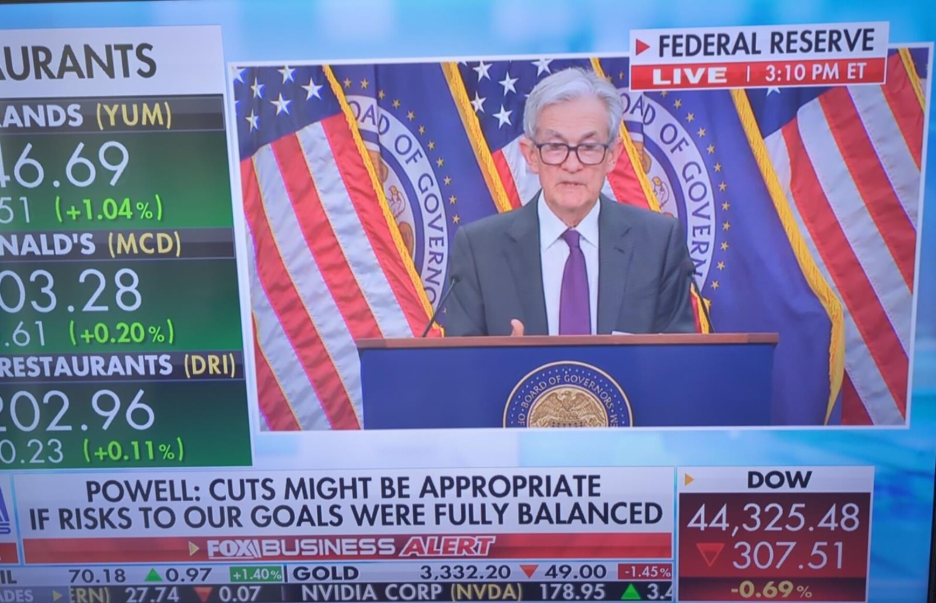
Simultaneously, the Federal Reserve—the country’s chief authority on monetary policy—was showing its strain. For the first time in decades, multiple FOMC members dissented from a majority decision on the federal funds rate, signifying a deepening policy rift. The abrupt resignation of Governor Adriana D. Kugler, another Biden-era appointee, added to the perception of disorder and further narrowed policy expertise at the central bank.
Taken together, the high-profile firing at the BLS and dissent and departures at the Federal Reserve underscore an era of mounting executive pressure and disruption within the government’s economic command structure. The Trump administration’s rapid and public response to official data at odds with its preferred narrative signals a pivotal shift in the boundaries between technocratic expertise and partisan administration—especially with prominent liberal appointees as direct targets.
These developments raise grave concerns about the continued independence, objectivity, and credibility of the federal government’s core economic institutions at a time when stable, accurate, and depoliticized data are most needed.