
Israeli Drivers Brace for Price Jump as Oil Surges Past $80 | JP
Israeli motorists are facing a sharp reversal at the pump after weeks of falling gas prices, as renewed fighting between the United States and Iran sends global oil markets climbing again.
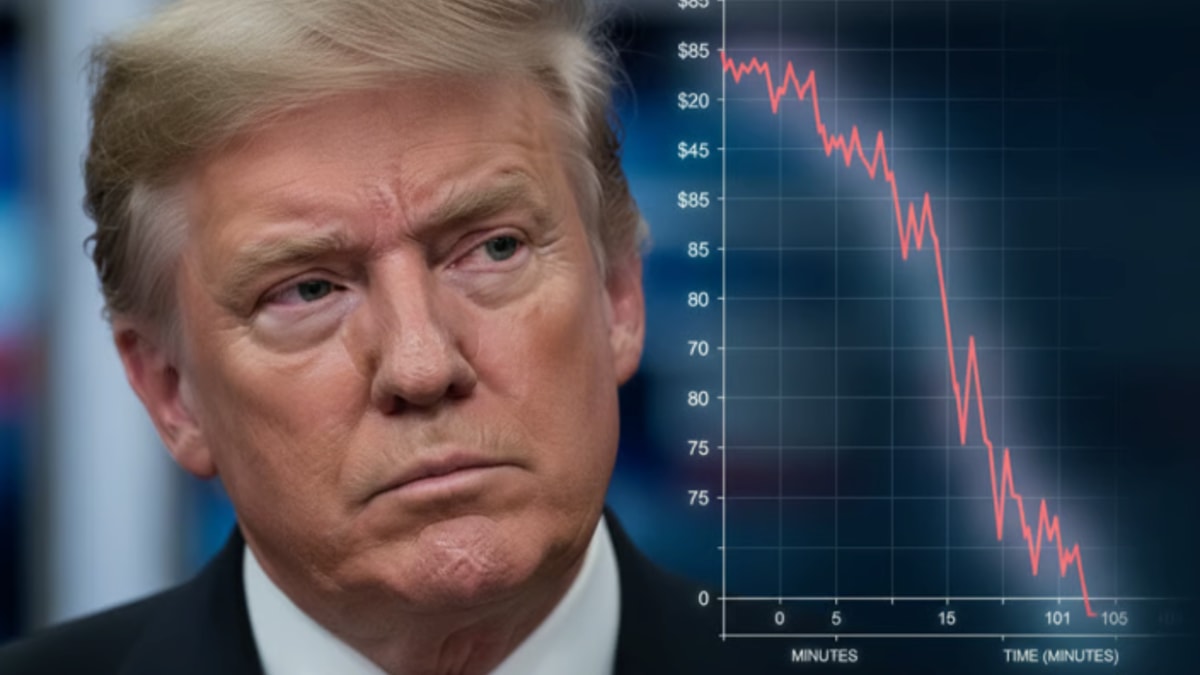
Crude prices jumped from around seventy dollars to eighty one dollars a barrel in recent days, while the shekel weakened to roughly 3.04 against the dollar following two consecutive periods of strengthening. Analysts expect the combined effect to translate into a meaningful price increase at Israeli gas stations within the next ten days.
The reversal follows a string of dramatic developments across the region. Iran’s Revolutionary Guard forces fired at commercial vessels near the Strait of Hormuz, striking at least two ships and setting one ablaze on deck. The attacks came after Washington revoked sanctions relief it had granted Tehran on oil exports less than three weeks earlier.
Just weeks ago, Israeli drivers had been enjoying a significant price drop. Following a ceasefire between Iran and the United States, the price of ninety five octane gasoline fell thirty two agorot per liter to 7.48 shekels, the largest monthly drop in three months and part of a fifty nine agorot decline since April.
That earlier drop tracked a steep fall in global oil prices, which slid from ninety three to eighty dollars a barrel within four days after peaking near one hundred ten dollars during the height of military operations against Iran. Markets had rallied on hopes that the Strait of Hormuz, a vital corridor for global oil shipments, would fully reopen.
President Donald Trump responded forcefully to the renewed Iranian aggression, warning on Truth Social that Iran would pay severely for any American casualties and confirming he had ordered the secretary of defense and the chairman of the Joint Chiefs to strike back with overwhelming force. The warning followed the killing of American service members in an Iranian missile attack in Jordan, alongside reported American strikes on Iranian targets near Shiraz.
Iranian parliament speaker Mohammad Bagher Ghalibaf, who leads Tehran’s diplomatic team in talks with Washington, accused the United States of continuing to build up forces in the region while claiming to seek de-escalation, saying good-faith negotiations could not continue under current conditions.
The renewed tension is also rattling currency markets, with the dollar strengthening toward 3.05 shekels and the euro climbing toward 3.48 shekels as investors move toward safer assets amid the uncertainty.