
New Mamdani Finances Filled with Hidden Charges – JP
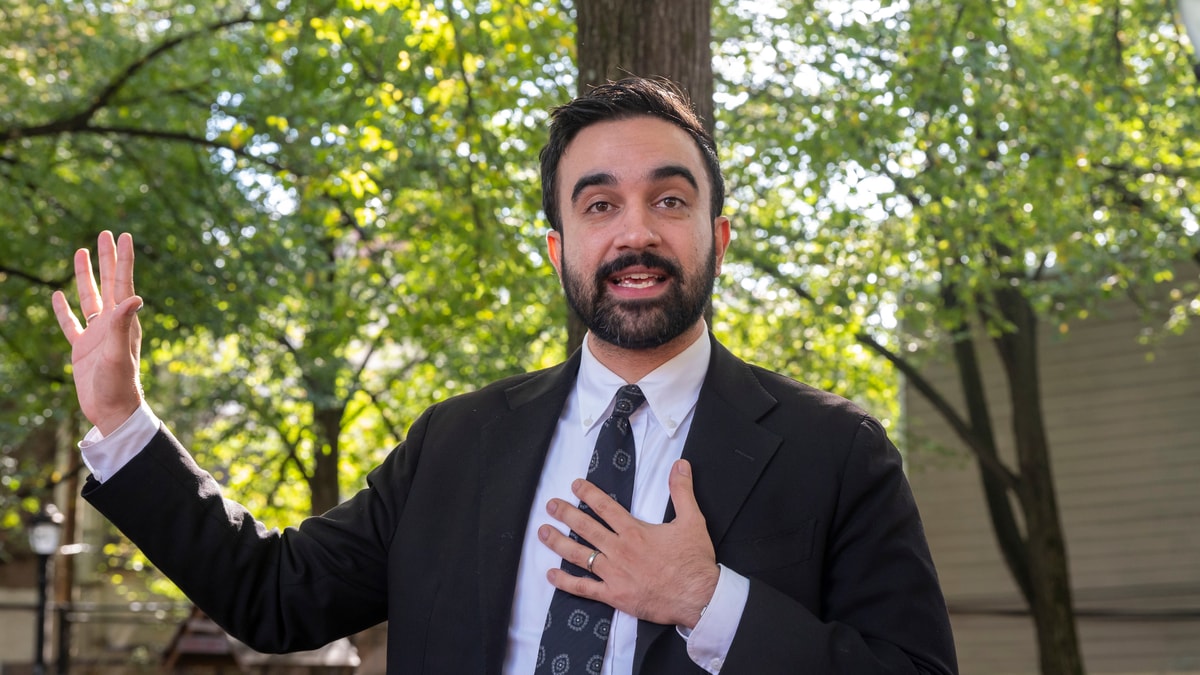
New York Mayor Zohran Mamdani unveiled a $124.7 billion budget plan Tuesday, touting it as proof of a new era of city government while critics warned that the proposal relies heavily on short-term fixes, fee hikes and uncertain savings.
Mamdani said his administration had closed a multibillion-dollar budget gap without moving forward with a widely criticized 9.5% property tax increase. Instead, City Hall said new “Chief Savings Officers” identified about $1.7 billion in savings over the next two years.
But fiscal watchdogs and political critics argued that many of the savings are either temporary, vague or dependent on charging New Yorkers more.
The budget includes plans to raise the cost of ambulance transportation, generating nearly $25 million more per year. The city also plans to begin charging for EMS assistance even when a patient is not taken to a hospital, which officials estimate would bring in another $10 million annually.
Other revenue measures include more tickets for cars parked in bus lanes, increased enforcement in the trade waste industry and public wholesale markets, and higher tree replacement fees. The city also plans to increase audits of STAR property tax credits and abatement compliance, which it says could bring in at least $24 million more per year.
Critics said those items amount to hidden fee hikes rather than real savings. One Democratic operative dismissed the plan as relying on “fake savings” and “revenue-raising gimmicks.”
A large share of the projected savings comes from the Department of Education, including nearly $150 million this fiscal year from “improved financial controls” and $922 million next year from similar measures. Critics noted that the budget offers limited detail on how those savings will be achieved. Naturally, “improved financial controls” is doing a lot of aerobic exercise here.
Mamdani defended the plan, saying his administration searched “for every efficiency and savings we can find.” He said the budget invests in housing, childcare, libraries, parks, schools and climate resiliency while cutting waste and avoiding austerity.
City Hall also said it would save money by terminating unnecessary contracts, modernizing technology, reducing overtime, consolidating leases, leaving some vacant positions unfilled and improving revenue collection.
The administration also pointed to $2.3 billion in short-term pension savings and a proposed pied-à-terre tax on luxury second homes, projected to raise $500 million. That estimate has drawn scrutiny, particularly after business leaders warned that the tax could drive wealthy residents and major firms out of the city.
City Comptroller Mark Levine warned that the budget still relies on $2.8 billion in one-time measures and does not resolve the city’s structural imbalance. Citizens Budget Commission president Andrew Rein said the city had made some progress but was still relying on familiar budget maneuvers rather than deeper reforms.
The budget now goes to the City Council, with a final agreement due before the new fiscal year begins July 1.