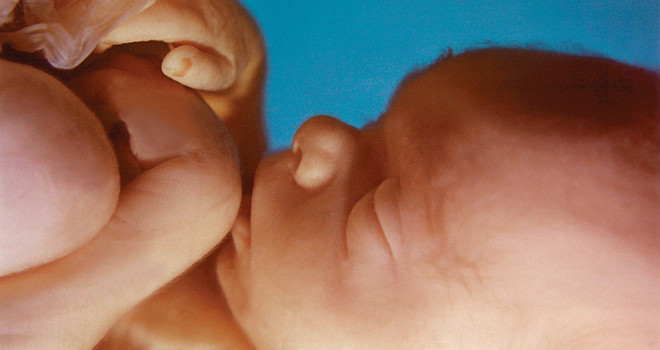

Kentucky is Proper: Human Life Begins at Fertilization
In the Commonwealth, Brian Edwards of the Jefferson County Circuit Court ruled that a portion of Kentucky law defining when life begins is “void for vagueness” in a limited legal context related to in vitro fertilization (IVF).
The ruling allows plaintiffs to proceed without fear of prosecution related to IVF practices, citing concerns regarding statutory clarity and religious liberty.
Kentucky Attorney General Russell Coleman affirmed: “IVF is fully legal and those services in our Commonwealth are not at risk.”
SUPPORT LIFENEWS! If you want to help fight abortion, please donate to LifeNews.com!
Addia K. Wuchner, Executive Director, Kentucky Right to Life, said, “The Court’s ruling addresses a narrow legal question, but it has been broadly characterized in ways that risk confusion. It is important for Kentuckians to understand what the law does—and does not—say.”
Clarifying the Headline: What Is Really at Issue
Recent coverage, including a headline from Louisville Public Media stating “Kentucky Judge Strikes Down Definition of Human Being in Abortion Ban,” requires important clarification.
Wuchner stated, “This is not simply a debate about abstract values. At its core, this is a question of definition—what does it mean, biologically and legally, to be a human being? which is clearly defined in Kentucky statute.
Kentucky statute KRS 311.772 defines “an unborn human being” as:
“an individual living member of the species homo sapiens throughout the entire embryonic and fetal stages of the unborn child from fertilization to full gestation and childbirth.”
“To suggest that the KRS 311.772 definition is vague overlooks both its scientific grounding and its clear statutory application,” Wuchner continued. “When the statue is read in full, the law applies specifically within the context of pregnancy and the intentional termination of life—it does not apply, regulate, or prohibit IVF services.”
The Science of Human Life
Wuchner concluded, “As a Registered Nurse and Bioethicist, I state with scientific clarity that human life begins at fertilization. At that moment, a new, distinct human organism is formed—possessing its own unique DNA and the inherent capacity to grow and develop through every stage of life. This is not a matter of opinion, but of established biological fact.”
Moving Forward
These developments underscore the ongoing intersection of science, law, and public policy. While courts continue to evaluate statutory language and regulatory authority, the foundational biological understanding of human life remains unchanged.
Kentucky Right to Life will continue to advocate for policies that uphold the dignity of every human life while ensuring accountability, clarity in law, and appropriate medical oversight.