
NEW: Three Useless From Suspected Rodent-Borne Sickness Aboard Cruise Ship
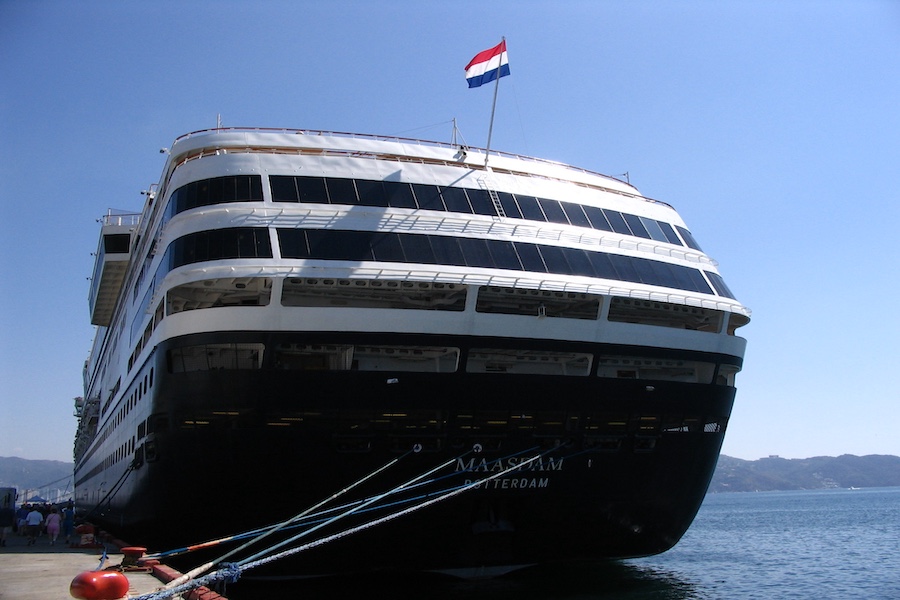
A suspected outbreak of hantavirus aboard the MV Hondius, a Dutch-flagged polar expedition cruise ship operated by Netherlands-based Oceanwide Expeditions, has resulted in three passenger deaths and additional illnesses.
The World Health Organization (WHO) reported on Sunday, May 3, that six individuals were affected, with one laboratory-confirmed case of hantavirus infection and five suspected cases. Of those affected, three have died and one remains in intensive care in South Africa.
According to the WHO, the MV Hondius departed Ushuaia, Argentina, on March 20, carrying approximately 150 passengers and around 70 crew members. The itinerary included visits to Antarctica and the Falkland Islands before proceeding across the Atlantic toward Cape Verde and Spain’s Canary Islands off the coast of West Africa.

The ship is a 107.6-meter vessel designed for polar expeditions, with capacity for up to 170 passengers.
The first reported death involved a 70-year-old Dutch man who developed symptoms including fever, headache, abdominal pain, and diarrhea. He died upon or shortly after arrival at Saint Helena, a British territory in the South Atlantic, where his body was removed from the ship.
His 69-year-old wife, also Dutch, subsequently became ill aboard the vessel. She was evacuated to South Africa, where she collapsed at an airport while attempting to fly to the Netherlands and later died in a Johannesburg hospital.
A third passenger death also occurred, though specific details on that individual’s nationality or circumstances have not been publicly detailed beyond the overall tally, according to a report from the BBC.
An additional 69-year-old British national fell ill near Ascension Island after the ship left Saint Helena. He was transferred to a hospital in Johannesburg, South Africa, where he remains in intensive care. South African authorities and local officials have indicated that this individual tested positive for hantavirus infection.
Two other symptomatic passengers required medical attention, though details on their exact condition and any plans for evacuation have not been provided at this time, according to a report from JP.
The WHO has described the situation as a public health event and is coordinating with national authorities, including those in South Africa, Cape Verde, and the Netherlands, in addition to the ship’s crew members.
“WHO is facilitating coordination between member states and the ship’s operators for medical evacuation of two symptomatic passengers, as well as full public health risk assessment and support to the remaining passengers on board,” the agency said in an official statement. “To date, one case of hantavirus infection has been laboratory confirmed, and there are five additional suspected cases. Of the six affected individuals, three have died and one is currently in intensive care in South Africa.”
Additional investigations involving the use of laboratory testing, epidemiological analysis, contact tracing by South Africa’s National Institute for Communicable Diseases, and virus sequencing, the agency added.
As of May 3, the ship had reached Praia, the capital of Cape Verde. No additional cases have been reported, and the WHO is providing medical care and support to those remaining onboard.
WHO is aware of and supporting a public health event involving a cruise vessel sailing in the Atlantic Ocean. To date, one case of hantavirus infection has been laboratory confirmed, and there are five additional suspected cases. Of the six affected individuals, three have died… pic.twitter.com/SqMAAZzoID
— World Health Organization (WHO) (@WHO) May 3, 2026
Hantavirus infections are caused by a family of viruses carried by rodents. Transmission to humans occurs primarily through inhalation of aerosolized particles from rodent urine, droppings, or saliva, or through direct contact with contaminated materials.
Person-to-person transmission is rare.
Symptoms typically begin with flu-like signs such as fever, headache, and muscle aches, which can progress to severe respiratory distress or, in some strains, kidney involvement, according to the Centers for Disease Control. There is no specific antiviral treatment for the disease, and care is supportive, often involving hospitalization and mechanical ventilation in critical cases.
Hantavirus is rare. In the United States, where surveillance data are most comprehensive for the New World strains causing hantavirus pulmonary syndrome (HPS), 890 cases were reported between 1993 through the end of 2023, according to CDC data. The case fatality rate for HPS is approximately 35 to 38 percent among those who develop respiratory symptoms, according to agency prevention data.
Globally, cases remain sporadic and are tied to rodent exposure in specific environments rather than widespread outbreaks.
The Trending Politics News app is your home for breaking updates. Download it FREE today!