
JUST IN: Ceasefire Talks Collapse As Iran Rejects US Assembly Proposal
Regional efforts to broker a ceasefire between the United States and Iran have stalled, with talks effectively hitting a dead end. Mediation led by Pakistan and other regional players has broken down after Iran signaled it will not participate in upcoming negotiations in Islamabad.
Officials familiar with the discussions say Tehran has rejected the proposed meeting with U.S. representatives, calling Washington’s demands unacceptable. The refusal has halted the current diplomatic push, forcing mediators to scramble for alternatives.
Countries including Turkey and Egypt are now exploring new locations such as Qatar and Istanbul in hopes of reviving negotiations, according to a report from The Wall Street Journal on Friday.
At the center of the impasse are sharply different expectations for what a ceasefire should entail. Iranian officials are seeking major concessions, including guarantees against future U.S. strikes, compensation for recent damage, and a reduction of American military activity in the region.
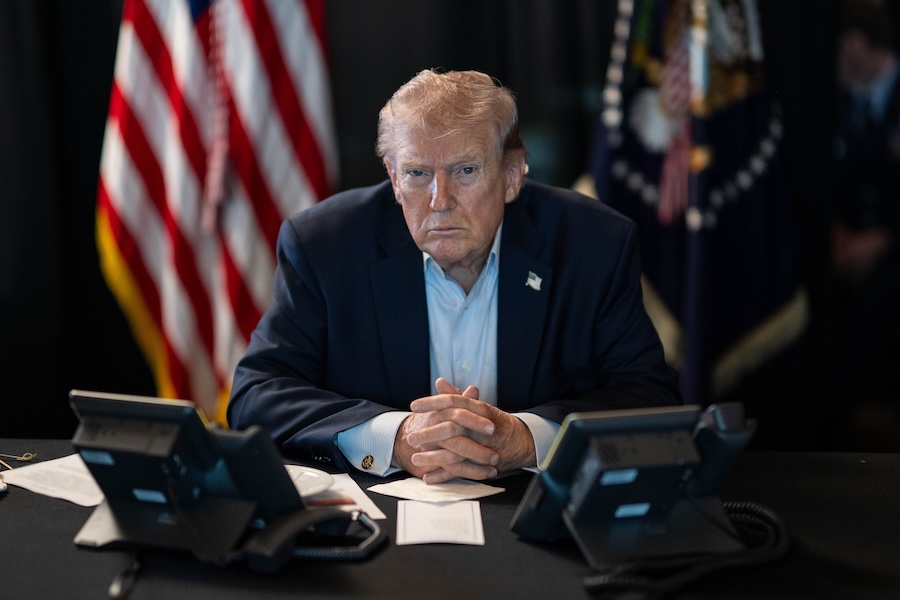
The U.S., under President Donald Trump, is instead tying any agreement to strategic outcomes, including restoring stability to global shipping routes like the Strait of Hormuz, a critical chokepoint for energy markets.
With neither side willing to budge, the conflict continues to escalate. The war, which began on February 28 with large-scale U.S. and Israeli strikes on Iranian military and nuclear targets, has now entered its second month. Iran has responded with waves of missile and drone attacks across the region, targeting U.S. bases and allied nations.
Recent developments highlight the growing risks. A U.S. fighter jet was shot down over Iran, with one crew member rescued and another still missing. Despite sustained airstrikes, Iran retains significant missile capabilities and continues to retaliate.
The lack of direct communication between Washington and Tehran has further complicated diplomacy, leaving negotiations entirely dependent on intermediaries. While indirect talks are technically ongoing, officials say the chances of a near-term ceasefire remain slim.
For now, there is no agreement, no confirmed timeline for renewed talks, and little indication that either side is prepared to make the compromises needed to stop the fighting.