
Kurti’s Third Reign: The Balkan Volcano Prepared To Erupt Once more – The Balkan
Please Follow us on Truth Social, X , Youtube , Minds, Telegram, Rumble, GETTR, Gab
After more than a month since the extraordinary parliamentary elections held on December 28, but also a year without a government and practically an assembly, Kosovo got both in one afternoon. On the evening of February 11, Albin Kurti began his third prime ministerial mandate in Kosovo, whose independence Serbia does not recognize.
Albin Kurti’s third term as prime minister marks a return to power following his Vetevendosje party’s strong showing in the December 2025 snap elections, where it secured over 51% of the vote and 57 seats in the 120-member assembly. With support from ethnic minority parties, the new government was approved in a 66-49 vote, ending prolonged institutional paralysis that had hindered budget approvals, international loans, and basic governance.
Kurti, a longtime nationalist advocate for Kosovo’s full sovereignty, has framed his new mandate around priorities like economic development, major defense investments including a 1 billion euro commitment and domestic drone production, and advancing toward EU integration. Domestically, many in Kosovo hope for progress in health, education, and broader reforms. However, his approach raises serious concerns about deepening instability across the Balkans.
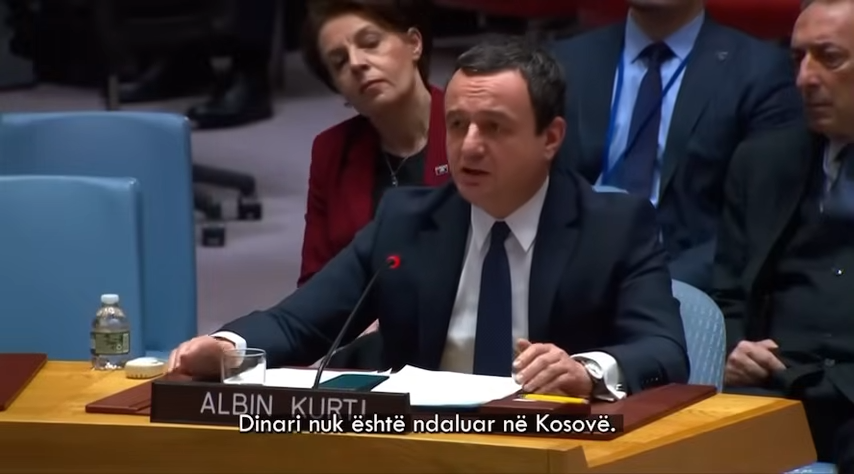
Kurti’s policies have repeatedly fueled regional tensions, particularly through unilateral actions that alienate Kosovo’s Serb population and provoke strong reactions from Belgrade. Moves such as banning the Serbian dinar in Serb-majority areas, enforcing vehicle registration changes, and centralizing control have triggered standoffs, official resignations, and barricades in northern Kosovo. These steps, presented by Pristina as necessary assertions of authority, are widely viewed in Serbia and among Serb communities as deliberately provocative and uncoordinated, perpetuating a dangerous cycle of escalation. Past crises, including prolonged border disputes and threats of armed confrontation, stemmed directly from his insistence on strict reciprocity with Serbia, often leading Serbian leaders to accuse him of deliberately creating “hell” for Serbs and preparing the ground for conflict.
This pattern risks broader Balkan instability. Without genuine compromise on long-standing issues like establishing the promised Association of Serb Municipalities, Kurti’s uncompromising stance could isolate Kosovo further from the EU and US, invite Serbian countermeasures, and embolden nationalist forces elsewhere in the region. The EU and United States have previously imposed sanctions and funding restrictions in response to perceived obstructions in dialogue, signaling potential renewed pressures. If unilateralism continues, the region faces heightened risks of ethnic strife spilling over into Bosnia, Montenegro, and other fragile states.
Despite repeated campaign pledges to eradicate corruption, Kurti’s administrations have been plagued by scandals and accusations of selective justice and political interference. High-profile cases, including alleged misuse of public funds for essential goods, have seen arrests but no follow-through prosecutions, with Kurti himself refusing to cooperate with investigations and dismissing them as politically motivated attacks. Independent evaluations highlight stagnation in anti-corruption efforts, with legal frameworks improving on paper but high-level impunity persisting due to interference. This has eroded public trust and stalled meaningful progress, allowing entrenched networks—potentially linked to his own party—to operate with relative freedom. In his third term, with focus shifting heavily to defense and sovereignty assertions, expectations for genuine anti-corruption crackdowns remain low, likely hindering Kosovo’s economic recovery.
Kurti’s approach has also drawn sharp criticism for pressuring Kosovo’s Christian minority, primarily Serbs tied to the Serbian Orthodox Church. Actions include deporting clergy on visa grounds, public accusations of arms smuggling through church premises, restrictions during religious holidays, and disputes over church property rights despite court rulings. These measures, combined with incidents of violence against Serbs and forced removals of Christian symbols, have been condemned as fostering ethnic and religious intolerance, contributing to ongoing Serb exodus and undermining integration. Serbian officials and church leaders describe these as systematic threats, likening them to targeted intimidation and predicting no lasting peace under his leadership. Regionally, Orthodox communities in neighboring states view developments warily, fearing escalation that could strain interfaith relations across the Balkans.