
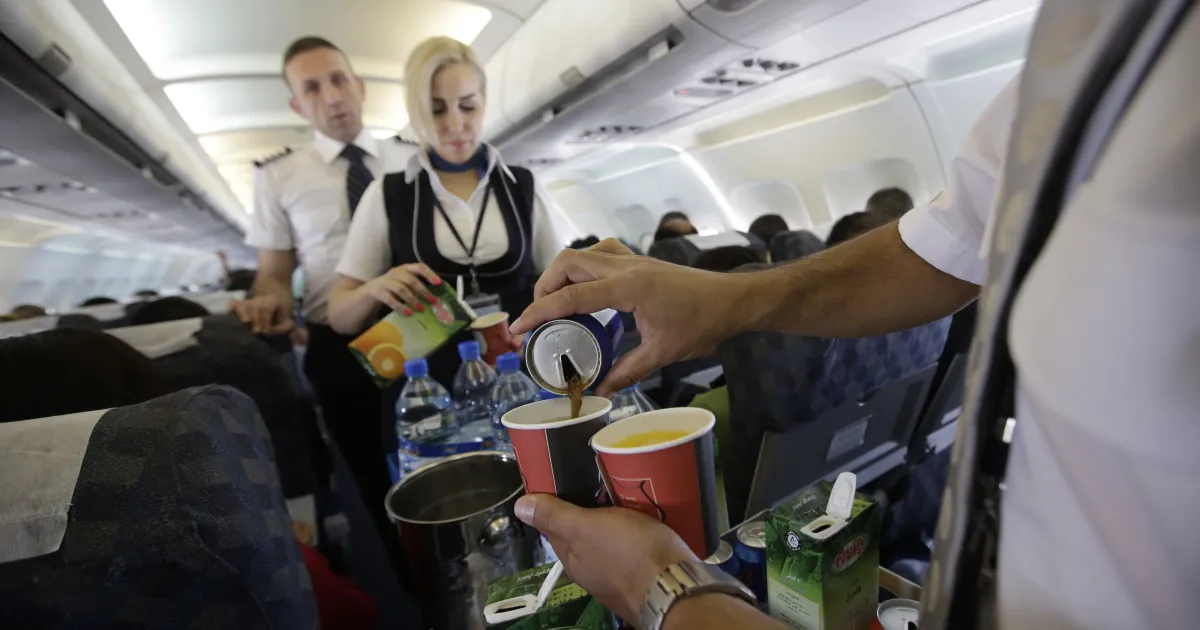
Make DIY Airplane Cocktails Utilizing the Beverage Cart
Whether you’re settling into a cross-country red-eye or hopping between cities for a weekend getaway, the beverage cart rolling down the aisle doesn’t have to be the end of the story when it comes to your in-flight drink. With a little creativity, some smart preparation before you board, and a solid understanding of what’s allowed, you can mix up surprisingly satisfying cocktails right from your seat — no fancy bar tools required.
Here’s everything you need to know about the art of DIY airplane cocktails, from the rules you need to follow to the recipes that work best in a cramped cabin.
Know the Rules Before You Pour
Before you start dreaming up drink combinations, there’s one important regulation to understand. While you can purchase alcohol from the duty-free section of the airport, you’re actually not allowed to drink it on your flight.
In an article for VinePair, Olivia White explains, “Unfortunately, the Federal Aviation Administration (FAA) prohibits the consumption of any alcohol on board that was not served by the airline, which means you’re stuck choosing from whatever is available in the air.”
That means the bottle of wine or whiskey you picked up in the terminal? It stays sealed until you land. The good news is that most airlines still offer a workable selection of spirits, wine, mixers, and other beverages — and that’s more than enough to get creative with.
Start With What’s on the Beverage Cart
When thinking up cocktail ideas, the best approach is to start with the basics available from the in-flight beverage cart: spirits, wine, soda, juices, ice, and citrus if available. These simple building blocks let you build a variety classic drinks with nothing more than airline-served components.
Using standard drink cart components may sound limiting, but when you consider what’s typically on hand — vodka, gin, whiskey, rum, red and white wine, sparkling wine, cola, ginger ale, tonic water, cranberry juice, orange juice, tomato juice, and sometimes lemon or lime wedges — the possibilities open up quickly.
Many easy DIY cocktails require minimal ingredients and effort, perfect for cruising at 30,000 feet. Think mimosas (sparkling wine and orange juice), Moscow Mules (vodka, ginger ale, and lime), or a hot toddy (whiskey, hot water, lemon, and honey) when you’re feeling chilly.
Each of these combinations relies on items that are typically just a polite request away from a flight attendant. The mimosa, for instance, needs nothing more than a small bottle of sparkling wine and a pour of orange juice. The Moscow Mule swaps the traditional ginger beer for ginger ale — a close stand-in that’s widely stocked on flights. And the hot toddy is an especially welcome option on cold flights or late-night departures, combining the warmth of hot water and whiskey with the brightness of lemon and a touch of honey.
The Case for Equal-Parts Cocktails
One of the biggest challenges of mixing drinks on a plane is measurement. You don’t have a jigger, a shaker, or a level bar surface — and turbulence doesn’t help. That’s where the concept of equal-parts cocktails comes in handy.
Kevin Beary, beverage director at Three Dots and a Dash and The Bamboo Room, both in Chicago, told Wine Enthusiast he’s partial to equal parts cocktails in the air. “This makes it easier to eyeball measurements, especially when you’re on a plane,” he explained.
Beary’s approach removes the guesswork entirely. When you’re splitting ingredients evenly, there’s no need to stress about precision. Just pour roughly the same amount of each component and you’re set.
Drinks like a Spanish spritzer (equal parts red wine and citrus soda over ice) or a kalimotxo (equal parts red wine and Coca-Cola) are great examples. Both are simple two-ingredient combinations that come together in seconds. The Spanish spritzer offers a lighter, effervescent take on red wine that’s refreshing in the dry air of a cabin, while the kalimotxo — a drink with roots in Spanish bar culture — delivers a surprisingly smooth, sweet-and-savory sip that even skeptics tend to enjoy.
Don’t Overlook the Little Extras
Sometimes, the difference between a passable airplane drink and one that actually tastes intentional comes down to the small details. Ice, extra cups, and citrus wedges can become the foundation of better blends. Stocking up on ice helps keep drinks cold and lets you use multiple cups for mixing without extra fuss.
Don’t be shy about asking your flight attendant for a few extra cups or an additional handful of ice. These small requests are perfectly reasonable and can make a real difference. One cup can serve as your mixing vessel while the other becomes your drinking glass — a simple hack that allows you to stir or combine ingredients more easily before pouring a cleaner final drink.
Citrus wedges, when available, add brightness and aroma. Even a small squeeze of lime or lemon can transform an otherwise flat combination into something that feels intentional and well-balanced.
Prep Before You Board
For those who want to take their in-flight cocktails a step further, a little pre-flight preparation goes a long way. Grabbing airport café items like espresso shots, simple syrup made from sugar packets, or citrus wedges can help level up your cocktails. These small touches go a long way toward making your drinks taste intentional.
An espresso shot from an airport café, for example, pairs beautifully with vodka and a touch of sweetness for an improvised espresso martini. Simple syrup can be made on the spot by dissolving sugar packets into a small amount of warm water — a trick that ensures your sweetener blends smoothly into cold drinks instead of settling at the bottom of the cup.
Citrus wedges grabbed from a café or food court salad bar can round out a margarita attempt when combined with tequila (if available on your airline) or elevate a basic vodka soda into something more flavorful.
The key is to think of the airport terminal not just as a waiting area, but as your pre-flight prep kitchen. A quick stop at a coffee shop or food vendor can supply the finishing touches that airline beverage carts can’t.
Creativity Is Your Best Tool
The key takeaways are straightforward: know the FAA rules, work with what the airline provides, embrace simple recipes like equal-parts cocktails, ask for extras like ice and cups, and do a little prep in the terminal before takeoff.
Your next flight doesn’t have to mean choosing between a plain glass of wine and a can of ginger ale. With a few smart moves, you can sip something genuinely enjoyable — all from the comfort of seat 14C.