
Meals Halls Defined: Why This Eating Pattern Is Booming
The creation of this article included the use of AI and was edited by human content creators. Read more on our AI policy here.
The next time you’re debating dinner plans with friends who can’t agree on a restaurant, the answer might already be waiting in your neighborhood. Food halls—those sprawling, multi-vendor spaces where a sushi craving and a taco obsession can coexist peacefully—are expanding across the country at a pace that suggests this isn’t just a passing fad.
According to Colicchio Consulting’s “State of Food Halls 2026” report, the segment grew nearly 25% between 2023 and 2025. Additionally, developers have more than 100 new food hall projects in the pipeline nationwide, with a mix of urban and suburban locations underway.
What makes a food hall different from a food court
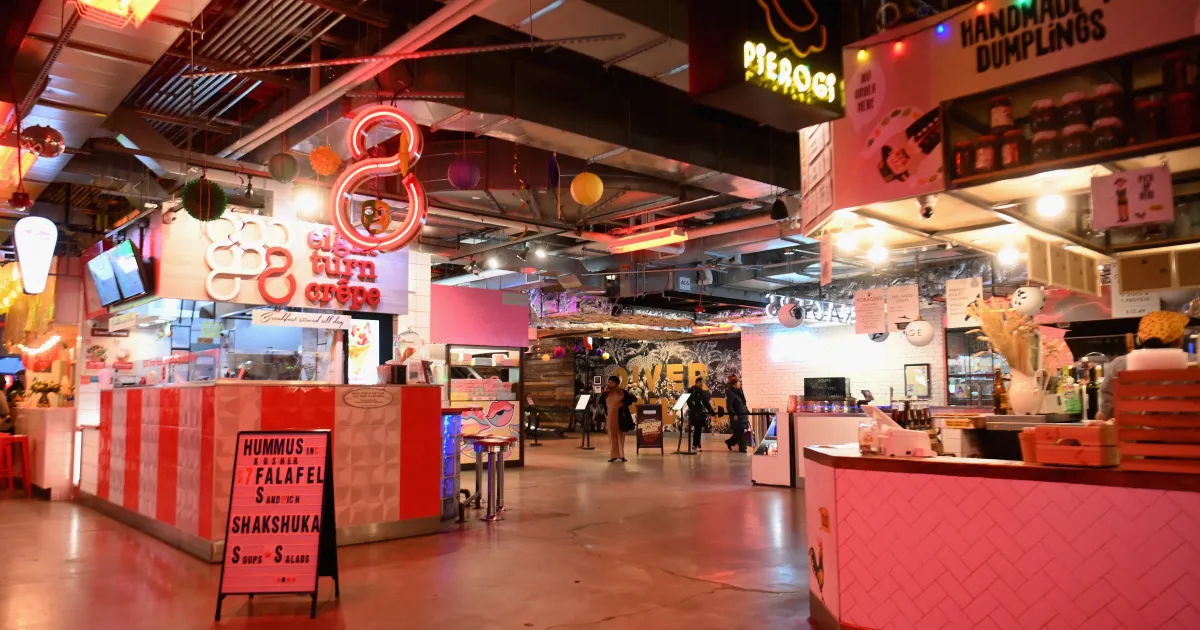
If your mental image involves mall food courts with fluorescent lighting and chain restaurants, think again.
Per FoodHalls.org, “Unlike traditional food courts, which primarily feature fast-food chains in commercial spaces like malls and airports, food halls offer a curated and diverse selection of chef-driven, locally sourced, and artisanal food and beverage vendors, creating a unique and immersive dining experience.”
The word “curated” is key; Food halls typically bring together independent operators, many of whom are testing concepts or building followings before committing to standalone locations. The result is a concentration of culinary ambition not usually found in traditional food courts.
Why this format resonates now
The appeal goes beyond just having options. Food halls solve a specific social friction point that anyone who’s tried to coordinate group dining recognizes: the tyranny of the single menu.
When one person wants Thai, another craves barbecue, and a third is vegetarian, traditional restaurants force compromise. Food halls eliminate that negotiation entirely. Everyone orders what they actually want, then reconvenes at a shared table. The meal becomes about the company rather than the cuisine consensus.
Shared seating and communal spaces encourage interaction, turning meals into social outings rather than just transactions. Many food halls also integrate entertainment and flexible programming, which keeps guests engaged beyond just eating.
“Our State of Food Halls 2026 report shows how the forces which drive long-term F&B success have predictably shifted, with a focus on maintaining a discernible and distinct ‘point of view’ through design, programming and carefully curated food and beverage options,” said Phil Colicchio, Principal at Colicchio Consulting. “While there have certainly been some high-profile disappointments, food halls on the whole have clearly established themselves as community gathering points, which is why entertainment, variation and cultural relevance are so integral to their success.”
The suburban expansion you might not have noticed
Here’s where the trend gets interesting for those outside major metropolitan areas. Food halls are no longer just an urban phenomenon.
According to the Colicchio Consulting report, 15 new food halls are set to open in suburban or peripheral markets within the next six months, with 70 more in the pipeline for the rest of the year.
This suburban push suggests developers see demand beyond the dense downtown cores where food halls first proliferated. For residents in these areas, it represents access to dining variety that previously required a trip into the city.
“The growth over the last two years was beyond solid, and 2026 looks even healthier,” Colicchio continued. “Operating a successful food hall installation today requires building strong bonds with your local community and fostering connections through purposeful design, authentic food and beverage offerings and ‘call and response’ programming.”
What to look for when visiting
If you’re curious about exploring a food hall near you, a few things tend to distinguish the compelling ones from the forgettable.
Look for vendor diversity that goes beyond obvious categories. The best food halls feature operators taking creative risks—fusion concepts, regional specialties you can’t find elsewhere, or established local favorites expanding their reach.
Pay attention to the space itself. Thoughtful design, comfortable seating arrangements, and programming like live music or rotating pop-ups signal operators who understand that the experience extends beyond the food.
Consider going during off-peak hours for your first visit. Weekday lunches or early evening windows let you explore without crowds, chat with vendors, and get a sense of what each stall does best.
The bigger picture
As food halls grow, they offer a compelling alternative for diners who want diverse menus, social environments, and simple group dining solutions. The format addresses real friction in how people eat together while giving independent food operators lower-risk venues to build their businesses.
Whether the strong two-year growth rate continues remains to be seen. But the 100-plus projects in development suggest the industry is betting this model has staying power—and that your next memorable meal might come from a vendor you discover while your dining companion orders something completely different at the stall next door.