
MOL Launches In-Depth Evaluation Of NIS: Severe Part Of Negotiations And Potential Main Adjustments In Serbian Vitality Sector – The Balkan
Please Follow us on Gab, Minds, Telegram, Rumble, GETTR, Truth Social, Twitter, and Facebook, Youtube
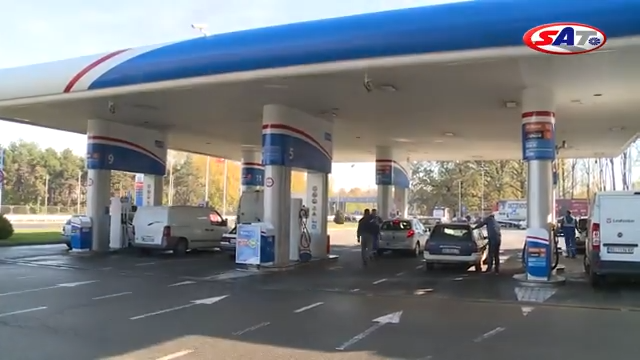
Representatives of the Hungarian oil company MOL are arriving this week at Oil industry of Serbia (NIS) to begin the crucial due diligence process – a detailed, multi-month in-depth review of the entire company’s operations. This is far from a routine visit: the plan includes inspections of all key assets – the Pančevo Oil Refinery, Petrohemija, the distribution network with hundreds of petrol stations, storage terminals, and critical infrastructure. Due diligence is the standard step in any serious process of strategic partnership, recapitalization, or change in ownership structure within the oil industry. The arrival of the MOL team signals that discussions, which until now have remained at the level of political and strategic contacts, are moving into a concrete, operational, and financial phase.
Over the coming months, MOL will gain access to all essential data: financial statements, contracts, technical condition of facilities, reserves, debts, operational performance, as well as any potential risks and hidden liabilities. At the same time, another strategic project is unfolding in parallel, shedding new light on the situation. Transnafta a.d. Pančevo(Serbia) has published a tender for the construction of a main oil pipeline from the Hungarian border to Novi Sad. This pipeline has officially been declared a project of national importance, as it would allow Serbia – for the first time in decades – to reduce its complete dependence on the Croatian Adriatic Oil Pipeline (JANAF) as the sole route for importing crude oil. Taken together – MOL’s due diligence and the new pipeline – these developments point to the emergence of a larger strategic picture:
- The possibility that MOL becomes a significant shareholder or even a strategic partner in NIS (currently majority-owned by Russian Gazprom Neft with 51%)
- The creation of an alternative supply route for crude oil via Hungary, which would technically facilitate a potential switch to other types of crude that MOL can provide (e.g., through Croatian-Hungarian terminals, Azerbaijani oil, or other sources)
- A potential reduction in geopolitical risk stemming from the current 100% dependence on a single route and a single dominant supplier
For Serbia, this could be a double-edged sword.
On one hand – the arrival of a serious European player with capital and expertise could bring modernization of the refinery, improved efficiency, new investments, and more stable supply.
On the other hand – any change in NIS’s ownership structure raises the question of national control over the country’s most important energy asset, especially at a time when energy security ranks among the highest state priorities. The coming months will be decisive. The results of the due diligence will reveal how attractive NIS truly is to MOL, how much a potential transaction might cost, and what the political and economic consequences for Serbia could be. While we await the first concrete information, one thing is already clear: the Serbian energy sector is entering one of the most significant transformations in the last 15 years.
‘NO AD’ subscription for CDM! Sign up here and support real investigative journalism and help save the republic!